Auto Insurance Quote: Find the Best Deal in Minutes
Getting an auto insurance quote 2026 is the universal first step to securing coverage, but for many drivers, it feels like a black box. You enter your information, and a number magically appears, often with little clarity on how it was calculated or if it’s truly the best deal available. The process, however, is far from mystical. It’s a precise calculation based on a set of risk factors insurers use to predict the likelihood of you filing a claim. Understanding this process and approaching it strategically is the key to unlocking not just any rate, but a genuinely affordable policy that provides the right protection for your needs and budget. This guide moves beyond simply telling you to “shop around” and instead provides a detailed framework for how to prepare, compare, and secure a competitive auto insurance quote with confidence.
What Exactly Goes Into Your Auto Insurance Quote?
An auto insurance quote is an estimate of your premium for a specific policy, based on the information you provide at that moment. It’s not a final price or a binding contract; that comes with the official policy documents after you accept the offer and the insurer verifies your details. The quoted price is generated by an algorithm that assesses risk. Insurers analyze decades of historical data to determine which factors correlate with higher claim frequency and cost, then assign you to a risk category that dictates your rate. While the exact formulas are proprietary, the primary rating factors are well-known. Mastering them allows you to present yourself in the best possible light and understand where you have leverage.
The most significant factor is your driving record. A clean history, free of accidents, tickets, and especially DUIs, is the single best way to secure a low auto insurance quote. Insurers see a proven record of safe driving as a strong predictor of future behavior. Conversely, violations signal higher risk and lead to substantially higher premiums, often for three to five years. Your personal demographics also play a role, though their weight varies by state and company. Your age, with young drivers facing the highest rates, and your credit-based insurance score in most states are major components. Your location impacts your quote heavily due to local traffic density, accident rates, and even the frequency of vehicle theft and weather-related claims.
Finally, the vehicle you drive is critically important. Insurers have comprehensive data on the claims history for every make and model. A sports car with a powerful engine will cost far more to insure than a family-friendly minivan, not just because of theft risk, but due to higher repair costs and a statistical link to riskier driving. Safety features like automatic emergency braking can earn you discounts, while a history of expensive parts will raise your quote. Before you even begin shopping, take stock of these factors in your own profile. Knowing where you stand helps you set realistic expectations and identify areas you can improve, like building your credit or taking a defensive driving course, to get better quotes in the future.
The Strategic Preparation Checklist Before You Shop
Failing to prepare is preparing to overpay. Rushing to get quotes with incomplete or inaccurate information leads to misleading estimates and wasted time. The most effective approach is to gather all necessary documents and data before you visit a single website or call an agent. This ensures consistency across all quotes, making them truly comparable. It also prevents surprises later when the insurer runs official reports and adjusts your premium, potentially upward. Think of this step as doing your homework; the payoff is a smoother, faster, and more accurate quoting process.
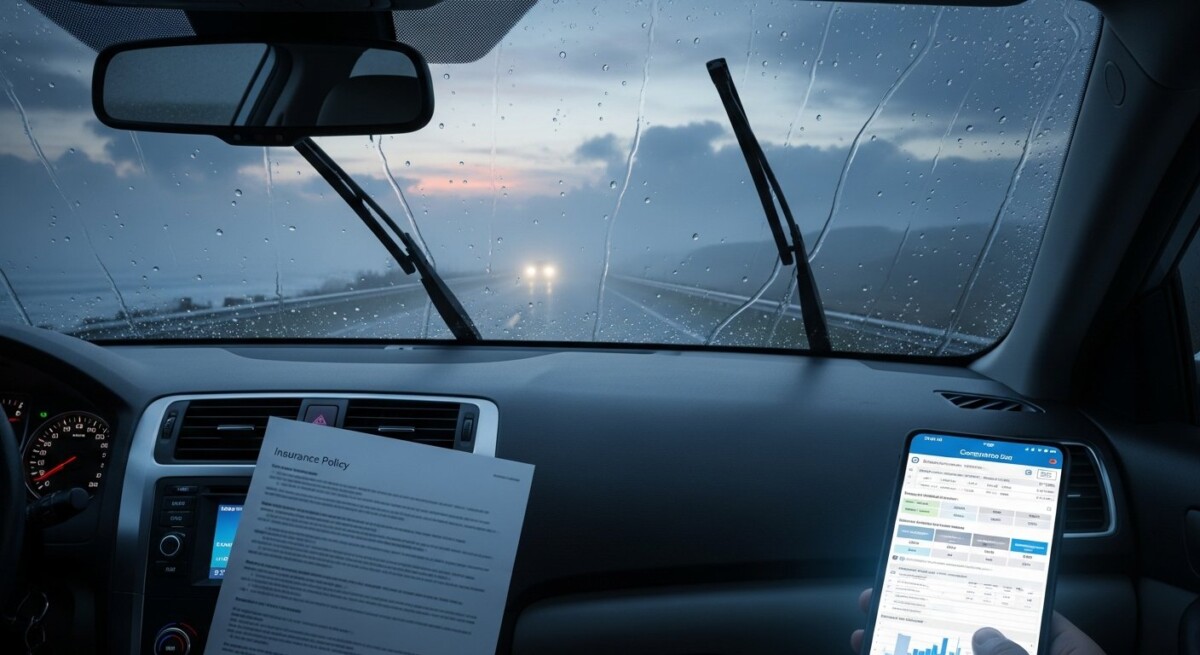
Start by collecting your current policy documents, if you have them. This gives you a clear baseline for coverage levels and price. Then, assemble the following for every driver and vehicle that will be on the policy:
- Driver’s License Numbers: For all household drivers who will be listed on the policy, whether they own a car or not.
- Vehicle Identification Numbers (VINs): The 17-digit VIN is more accurate than providing the make, model, and year. It tells the insurer the exact trim level, safety features, and manufacturing details.
- Current Mileage & Primary Use: Be honest about how many miles you drive annually and whether it’s for commuting, business, or pleasure.
- Complete Driving History: Note the dates and details of any accidents, claims, or moving violations (speeding tickets, etc.) for the past 3-5 years.
With your documents in hand, the next crucial step is to determine your desired coverage. This is not a one-size-fits-all decision. Liability limits, which cover damage and injuries you cause to others, should be high enough to protect your assets. Consider state minimums as a dangerous floor, not a recommendation. For your own vehicle, decide between actual cash value (which depreciates) and replacement cost coverage for comprehensive and collision. Choose a deductible—the amount you pay out-of-pocket per claim—that balances premium savings with your financial comfort zone. A higher deductible lowers your quote but means more expense if you have a claim. Walking into the quoting process with these decisions already made empowers you to compare policies on an apples-to-apples basis.
How to Compare Auto Insurance Quotes Effectively
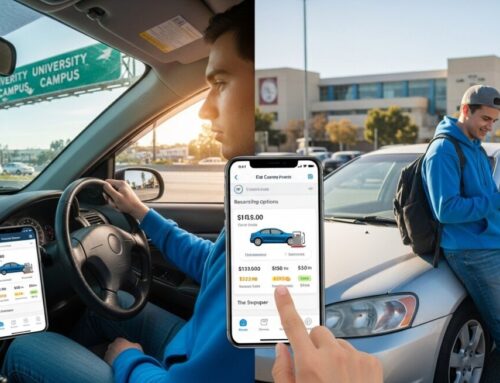
Now comes the active shopping phase. The goal is to get multiple auto insurance quotes—industry experts recommend at least three—using the identical information and coverage specifications you prepared. You have several channels: direct online from the insurer, through an independent insurance agent who represents multiple companies, or via a captive agent who works for a single brand like State Farm or Allstate. Using a mix of these methods can be effective. Online quotes offer speed and direct control, while a good independent agent can provide personalized advice and access to regional insurers you might not find on your own.
When you receive your quotes, resist the urge to look only at the bottom-line premium. A lower price is meaningless if it comes with inadequate protection or poor service. Your comparison must be holistic. First, verify that the coverage limits, deductibles, and policy terms are identical. Then, scrutinize the insurer’s financial strength and customer service reputation. Resources like A.M. Best, J.D. Power, and the National Association of Insurance Commissioners (NAIC) complaint index provide objective data on an insurer’s stability and how it treats its customers. A cheap quote from a company with a poor reputation for paying claims fairly is a bad deal.
Pay close attention to the discounts applied. A seemingly higher quote from a company that offers a bundling discount for your home insurance, a safe driver discount, a paid-in-full discount, or a discount for certain safety features might become the most affordable option after all savings are accounted for. Proactively ask each provider, “What discounts do I qualify for?” to ensure nothing is missed. Finally, read the fine print or ask the agent about any potential gaps or unique policy features. Does the policy include rental car reimbursement? What is the process for filing a claim? This deep comparison transforms you from a passive price-taker into an informed consumer making a value-based decision.
Common Pitfalls and How to Avoid Them
Even with the best intentions, drivers often make mistakes during the quoting process that cost them money or leave them underinsured. One of the most frequent errors is focusing solely on price. While cost is critical, insurance is a promise of future protection. The cheapest auto insurance quote often carries the highest risk—it may come from a company with a shaky financial footing, terrible customer service, or sneaky exclusions in the fine print. Another major pitfall is underinsuring to get a lower premium. Choosing state-minimum liability limits might save you $20 a month, but if you cause a serious accident, you could be personally sued for hundreds of thousands of dollars beyond what your policy pays. The savings are never worth the catastrophic financial risk.
Lying or omitting information is a disastrous strategy. It might get you a lower quote, but it gives the insurer grounds to deny a future claim or even cancel your policy retroactively. Always be truthful about drivers, mileage, and your history. Furthermore, don’t set your deductibles impractically high just to see a lower number on the quote. If you set a $2,000 deductible to save $100 a year, you’d need to go 20 years without a claim to break even—a single fender-bender would wipe out those savings and more. Choose a deductible that reflects your actual emergency fund capacity.
Finally, a critical mistake is treating a quote as a one-time task. Your insurance needs and risk profile are not static. Life events like getting married, moving to a new zip code, buying a new car, adding a teen driver, or improving your credit score can all significantly impact your rate. Make it a habit to re-shop your auto insurance quote every 12-18 months, or after any major life change. Loyalty is rarely rewarded with the best price in the modern insurance market. Proactive, periodic comparison is the only way to ensure you continue to receive competitive coverage at a fair price over the long term.
Securing the right auto insurance is a blend of preparation, knowledge, and ongoing vigilance. By understanding the factors that shape your quote, preparing your information meticulously, comparing offers with a critical eye on both value and protection, and avoiding common errors, you transform a routine financial task into a powerful tool for managing risk and expense. The result is more than just a line item in your budget; it’s the peace of mind that comes from knowing you and your assets are properly protected on the road.
FAQs – Auto Insurance Quote
1. What is an auto insurance quote?
An auto insurance quote is an estimate of how much you’ll pay for car insurance based on details like your vehicle, driving history, coverage needs, and location.
2. Are auto insurance quotes free?
Yes, getting an auto insurance quote is usually free and doesn’t obligate you to purchase a policy.
3. Why do auto insurance quotes vary between providers?
Insurance companies use different risk models, discounts, and coverage options, which can cause price differences for the same driver.
4. Does getting multiple quotes affect my credit score?
No, requesting auto insurance quotes does not negatively impact your credit score.
5. How often should I request a new auto insurance quote?
It’s a good idea to compare auto insurance quotes at least once a year or after major life changes like buying a new car or moving.
Final Thoughts
An auto insurance quote is the first step toward finding coverage that fits both your budget and your needs. By comparing quotes and understanding what affects pricing, you can make a confident, informed decision and ensure you’re properly protected on the road.
Ready to save on auto insurance? Get free quotes now at InsuranceShopping.com or call 📞 (833) 214-7506!
Share This Story, Choose Your Platform!
About the Author: Maya Rodriguez