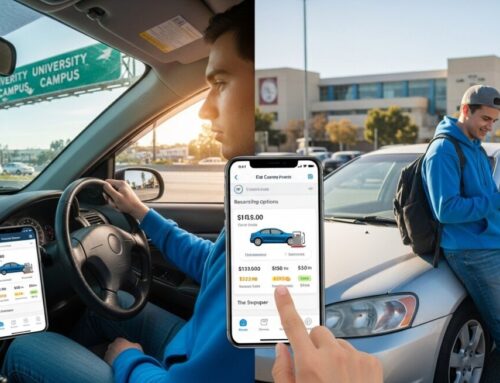
Cheap Auto Insurance 2026: Get the Best Deals Near You
Finding cheap auto insurance 2026 often feels like a compromise you shouldn’t have to make. The nagging worry that a lower price tag means you’re underinsured or vulnerable to surprise costs can keep you up at night. But the reality is that affordable car insurance is not a myth; it’s a strategic outcome. True savings come from understanding the complex interplay of factors insurers use to set your rate and making informed decisions about your policy. This isn’t about finding the rock-bottom, bare-minimum legal coverage that leaves you exposed. It’s about learning to navigate the insurance marketplace intelligently, ensuring you pay a fair price for the protection you genuinely need. Let’s demystify the process and explore actionable strategies to lower your premium without gambling your financial security on the road.
Understanding What Makes Auto Insurance Cheap
The price you pay for car insurance is not arbitrary. It’s a calculated risk assessment based on statistical data. Insurance companies analyze millions of data points to predict the likelihood that you, or someone in a similar demographic and circumstance, will file a claim. A “cheap” premium, therefore, is simply the lowest possible rate an insurer is willing to offer for your specific risk profile. This is crucial to grasp: your goal isn’t just to find a cheap policy, but to position yourself within the lowest-risk categories possible to earn that favorable rate.
Your personal risk profile is built from several core pillars. Some factors, like your age and driving record, you have direct control over through safe driving habits. Others, such as your location, are fixed but help explain why rates vary so dramatically. For instance, a driver with a clean record in a rural area will almost always pay less than an identical driver in a densely populated city with high traffic and theft rates. The vehicle you drive is another major component. Insurers have extensive data on claims related to specific makes and models, including repair costs, safety ratings, and theft frequency. Choosing a car with a high safety rating and low repair costs can significantly reduce your insurance expense from the start.
Proven Strategies to Lower Your Insurance Premium
Armed with an understanding of how rates are set, you can take proactive steps to reduce your costs. The most effective approach is a combination of policy adjustments, personal habit changes, and savvy shopping techniques. It’s a process of optimization, not a single magic bullet.
First, scrutinize your coverage levels and deductibles. Many drivers simply renew their policy year after year without evaluating if their coverage still matches their life stage and vehicle value. If you drive an older car with a low market value, carrying collision and comprehensive coverage might cost more than the car is worth. Raising your deductible the amount you pay out of pocket in a claim can lead to substantial premium savings. However, this strategy requires financial discipline; you must have that deductible amount saved and accessible. Another powerful tactic is bundling multiple insurance policies, such as auto and home or renters insurance, with the same company. Insurers reward this loyalty with significant multi-policy discounts.
Beyond policy tweaks, your personal behavior is paramount. Maintaining a clean driving record is the single most reliable way to keep costs low over time. Avoiding tickets and accidents signals to insurers that you are a low-risk driver. Many companies now offer usage-based or pay-per-mile programs, where a telematics device or smartphone app monitors your driving habits mileage, braking, speed, and time of day. Safe drivers in these programs can earn discounts of 10% to 30%. Furthermore, simply inquiring about all available discounts can yield surprises. Common ones include:
- Good Student Discount: For young drivers maintaining a B average or higher.
- Defensive Driving Course Discount: Completing an approved course can lower rates, especially for older drivers or those with a minor violation.
- Vehicle Safety Feature Discount: For anti-lock brakes, airbags, and anti-theft devices.
- Low-Mileage Discount: If you drive significantly less than the average annual mileage.
- Professional or Alumni Group Discounts: Offered through many employers, universities, or associations.
How to Shop for Affordable Car Insurance Effectively
Finding the best rate requires a methodical shopping process. The most common mistake is assuming all insurance companies assess risk the same way. They don’t. Your profile might be considered high-risk by one insurer and average by another, leading to price differences of hundreds of dollars for identical coverage. Therefore, comparison shopping is non-negotiable.
Start by gathering your current policy details and your driver’s license and vehicle identification numbers. You’ll need this information for accurate quotes. When you request quotes, aim to get them from at least three to five different providers. Include a mix of large national insurers, direct-to-consumer companies, and regional carriers. To ensure you’re comparing apples to apples, request quotes for the exact same coverage types, limits, and deductibles. Online comparison tools can be a good starting point, but also consider getting quotes directly from company websites or speaking with an independent insurance agent who can shop multiple companies for you.
Timing can also play a role. While you can shop at any time, certain life events should trigger a new search: adding or removing a driver from your policy, moving to a new ZIP code, buying a new car, or experiencing a change in your credit score (where permitted by law). When reviewing quotes, look beyond the bottom-line premium. Investigate the company’s financial strength ratings from agencies like A.M. Best, and read customer reviews on claims handling. The cheapest policy is a poor value if the company is difficult to work with when you need them most.
Common Pitfalls to Avoid When Seeking Low Rates
In the pursuit of cheap auto insurance, it’s easy to make decisions that backfire, costing you more money or stress in the long run. The primary pitfall is sacrificing adequate coverage for a lower price. Each state sets minimum liability coverage requirements, but these are often dangerously low. If you cause a serious accident, minimum limits can be exhausted quickly, leaving you personally responsible for medical bills and property damage that exceed your policy. Skimping on uninsured/underinsured motorist coverage is another risky move, as it protects you if you’re hit by a driver with little or no insurance.
Lapses in coverage are a major red flag for insurers. Even a single day without active insurance can lead to higher rates when you restart a policy, as it’s associated with higher risk. If you’re storing a car and not driving it, discuss a “storage” or “laid up” policy with your insurer instead of canceling outright. Furthermore, be wary of assuming your credit score doesn’t matter. In most states, insurers use credit-based insurance scores as a factor in pricing, as statistics show a correlation between credit management and claim likelihood. Improving your credit score can, over time, improve your insurance rates.
Finally, don’t set it and forget it. The insurance market is dynamic. A company that offered you the best rate three years ago may not be competitive today. Make it a habit to shop around at every renewal period, or at least every two to three years. Loyalty discounts exist, but they are often outweighed by the introductory rates competitors offer to new customers. Proactive management of your insurance is the surest path to maintaining affordable, reliable coverage year after year.
Securing cheap auto insurance is an achievable financial goal, but it demands an informed and active approach. It combines smart consumer choices like selecting the right vehicle and maintaining a clean record with strategic shopping and regular policy reviews. By focusing on the factors you can influence and understanding the trade-offs, you can find a policy that offers both substantial savings and the peace of mind that comes from knowing you are properly protected. The journey to affordable coverage begins with knowledge and is sustained by consistent, mindful management of your driving profile and insurance needs.
Share This Story, Choose Your Platform!
About the Author: Sophia Chen