Auto Insurance Quote California: Affordable Plans Made Simple
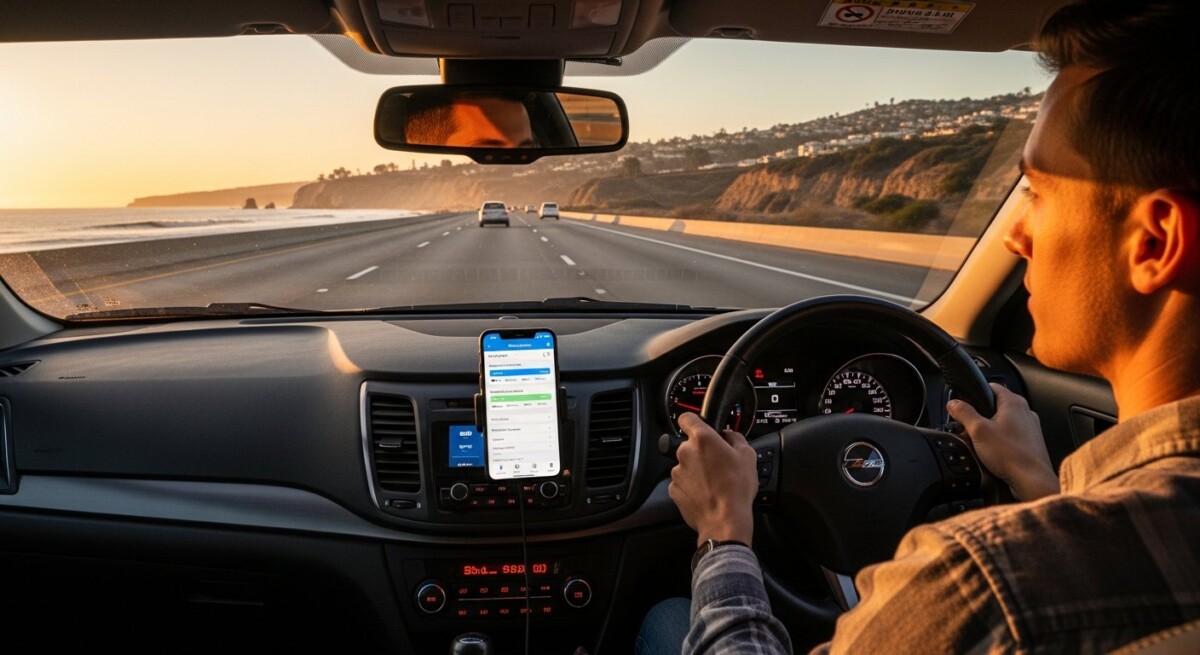
Getting an auto insurance quote California feels like navigating a complex web of rules, regulations, and fluctuating premiums. With some of the nation’s highest traffic density, unique state laws, and a diverse range of driving environments, your California car insurance costs are influenced by a specific set of factors. Understanding this landscape is the key to not just finding a cheap policy, but securing the right coverage that protects you financially on Pacific Coast Highway, the 405, or any road in between. This guide breaks down everything you need to know to get an accurate auto insurance quote in California, compare options effectively, and make a confident decision without overpaying.
Understanding California’s Minimum Insurance Requirements
Before you request a single quote, you must know the baseline legal requirements. California operates under a “fault” system for auto accidents, meaning the driver who causes the accident is financially responsible for the damages. To ensure drivers can meet this responsibility, state law mandates minimum liability coverage. This coverage does not pay for your own car repairs or injuries; it pays for the damage you cause to others. The minimum limits are often expressed as 15/30/5.
These numbers represent thousands of dollars in coverage. The first number, $15,000, is for bodily injury liability per person. The second, $30,000, is for total bodily injury liability per accident. The third, $5,000, is for property damage liability per accident. It is crucial to understand that these are bare minimums. In a serious accident in a high-cost state like California, these amounts can be exhausted almost immediately, leaving you personally liable for tens or hundreds of thousands of dollars in additional costs. Most financial advisors strongly recommend carrying liability limits well above the state minimum to protect your assets.
Key Factors That Shape Your California Auto Insurance Quote
When you enter your information for a California auto insurance quote, insurers use sophisticated algorithms to assess risk. Your final premium is a direct reflection of the risk the company believes you represent. While each company weights factors differently, the following elements are universally significant in determining your rate.
Your driving record is the single most impactful factor under your control. A clean record with no accidents or moving violations signals responsible driving and results in the lowest premiums. Conversely, tickets for speeding, DUIs, or at-fault accidents can cause your rates to skyrocket for several years. Your location within California also plays a massive role. Urban areas like Los Angeles, San Francisco, and San Diego typically have higher rates due to greater traffic congestion, higher accident rates, and increased risk of theft and vandalism compared to rural areas.
Beyond record and location, insurers deeply analyze your personal profile. This includes your age, where statistically younger drivers (especially teens) and, to a lesser extent, very senior drivers are involved in more accidents. Your vehicle’s make, model, and year significantly affect the quote. A sports car or a luxury vehicle costs more to insure than a family sedan due to repair costs, theft rates, and performance. Your annual mileage matters; driving fewer miles per year generally correlates with a lower risk of an accident. Finally, your credit-based insurance score (where permitted by law) is a major rating factor in California, as data shows a correlation between credit history and insurance claim likelihood.
A Step-by-Step Guide to Getting Accurate Quotes
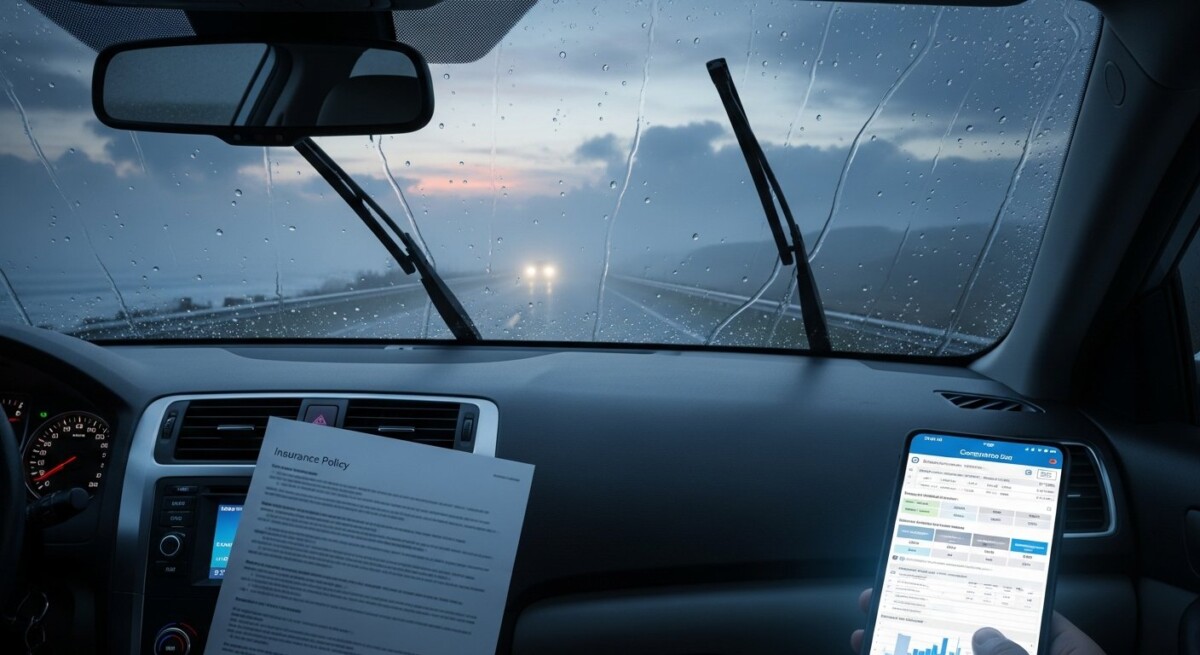
To ensure you are comparing apples to apples, a systematic approach is essential. Hasty or inaccurate information will lead to misleading quotes, wasting your time and potentially leading to an unpleasant surprise at policy issuance. Follow this process to gather reliable data for decision-making.
First, gather all necessary documentation before you start. You will need your driver’s license numbers for all household drivers, the Vehicle Identification Numbers (VINs) for all vehicles to be insured, and current coverage details if you have an existing policy. Having this information handy prevents errors and speeds up the process.
Second, be meticulously consistent with your coverage selections. Decide on the exact limits and deductibles you want to compare across every company. For example, if you decide to compare a policy with 100/300/100 liability limits, a $500 comprehensive deductible, and a $1,000 collision deductible, use those same parameters for every single quote request. This is the only way to make a true cost comparison.
Third, utilize multiple channels for quotes. Get quotes online from direct insurers, but also contact a few independent insurance agents who can shop your profile with multiple companies they represent. Do not rely on a single source. When entering your data, be brutally honest. Misrepresenting your driving history, annual mileage, or primary garaging address can lead to a denied claim or policy cancellation later.
Coverage Options Beyond the Minimum
While liability is mandatory, these additional coverages are critical for your own financial protection. Collision coverage pays for damage to your own car from an accident, regardless of fault. Comprehensive coverage handles non-collision incidents like theft, fire, vandalism, or hitting an animal. Uninsured/Underinsured Motorist (UM/UIM) coverage is vital in California, where a significant number of drivers are on the road illegally without insurance. This coverage protects you and your passengers if you’re hit by such a driver. Medical Payments (MedPay) or Personal Injury Protection (PIP) can help with medical expenses for you and your passengers, filling gaps before health insurance kicks in.
Maximizing Savings on Your California Policy
Finding an affordable auto insurance quote in California is often about proactively qualifying for discounts and making smart coverage choices. Insurers offer a wide array of discounts, but they rarely apply them automatically. You must ask about them or ensure your quote reflects them. Common discounts include multi-policy (bundling home and auto), multi-vehicle, good driver, good student, low annual mileage, and safety feature discounts for anti-theft devices or automatic emergency braking.
Beyond discounts, consider adjusting your deductibles. Opting for a higher deductible on your comprehensive and collision coverage will lower your premium. Just ensure you have the cash savings to cover that deductible if you need to file a claim. Regularly re-shop your coverage, especially if your circumstances change you get married, move to a new zip code, or your teen driver goes away to college. Loyalty does not always pay in the insurance market, and comparing quotes every 2-3 years can reveal significant savings.
To make an informed final decision, look beyond the monthly premium. Research the company’s financial strength through ratings from agencies like A.M. Best, and read customer reviews focused on the claims process. A slightly cheaper premium is a poor trade-off for a company that is difficult to work with when you need them most. The goal is to balance cost with reliable service and strong financial backing.
Navigating the process of obtaining a competitive auto insurance quote in California requires patience and precision. By understanding the state’s legal framework, knowing what influences your rate, gathering quotes methodically, and strategically seeking savings, you empower yourself to choose a policy that offers robust protection without straining your budget. The right coverage provides not just legal compliance, but true peace of mind every time you get behind the wheel in the Golden State.
FAQs on Auto Insurance Quote in California
1. What is an auto insurance quote in California?
An auto insurance quote is an estimate of how much you’ll pay for coverage based on your driving record, vehicle, and selected coverage options.
2. How can I get a quote?
You can request a quote online, over the phone, or through an insurance agent by providing details about your car, driving history, and coverage preferences.
3. What factors affect my quote?
Quotes are influenced by your age, driving record, location, type of vehicle, coverage limits, and credit history in some cases.
4. Is the quote the final price?
Not necessarily. The quote is an estimate; the final premium may change after the insurer verifies your information or considers additional factors.
5. Can I compare quotes from different insurers?
Yes. Comparing multiple quotes helps find the best coverage at the most affordable price, ensuring you get value without sacrificing protection.
Final Thoughts
Getting an auto insurance quote in California is the first step toward protecting yourself and your vehicle. By comparing quotes and understanding the factors that influence costs, you can choose a policy that balances coverage and affordability, keeping you legally compliant and financially secure on the road.
Ready to save on auto insurance? Get free quotes now at InsuranceShopping.com or call 📞 (833) 214-7506!
Share This Story, Choose Your Platform!
About the Author: Daniel Greene