
Does Car Insurance Cover Custom Aftermarket Parts?
Does car insurance cover custom aftermarket parts? Find out how endorsements protect your upgrades. Call 8332146397 for guidance on coverage options.

By Kaia Bellmont
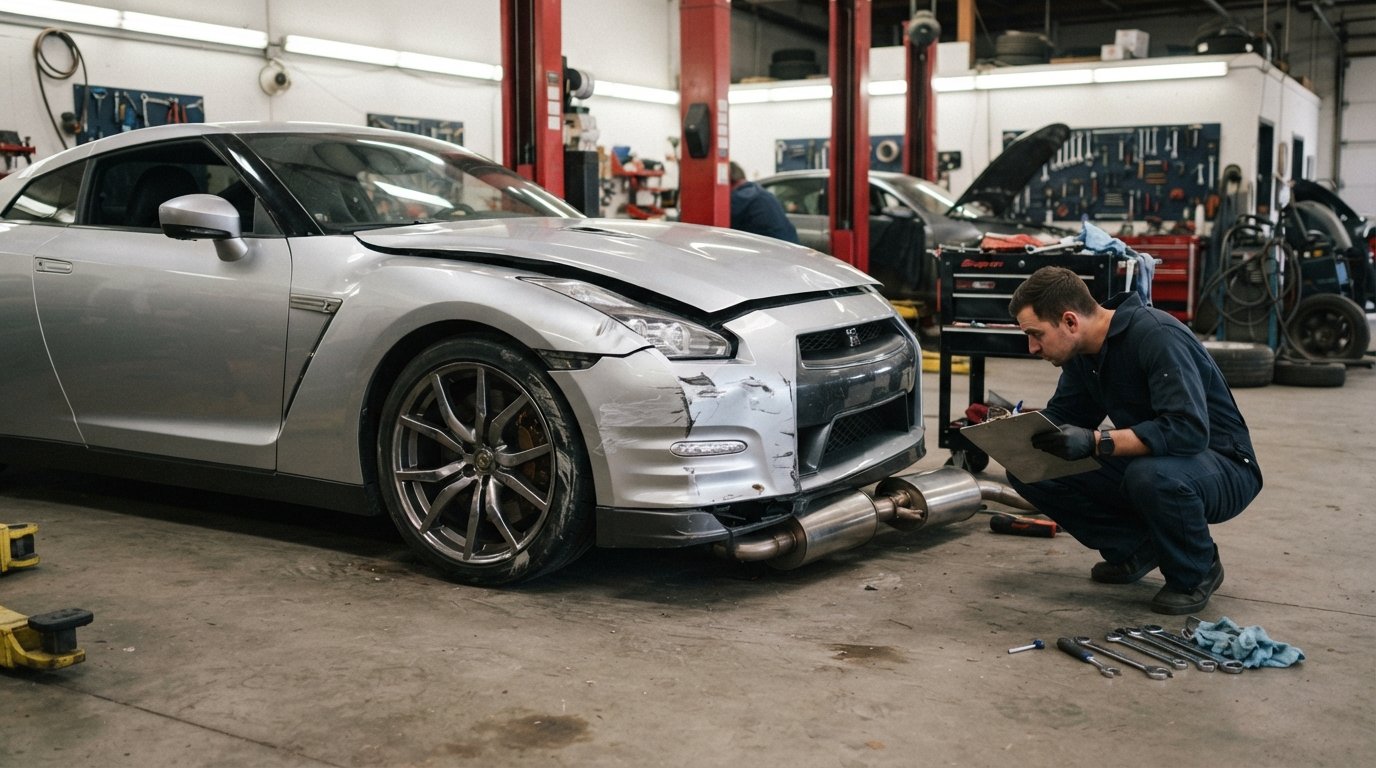
You just spent three thousand dollars on a custom lift kit, aftermarket rims, and a performance exhaust system. Then a distracted driver sideswipes your parked car and destroys half of those upgrades. You file a claim expecting your insurer to cut a check for the full amount, only to learn that your policy might pay out far less than you assumed. Does car insurance cover custom aftermarket parts? The short answer is: sometimes, but only under specific conditions that most drivers never bother to verify until it is too late. Understanding exactly where your policy stands on modifications can mean the difference between a full recovery and thousands of dollars out of your own pocket.
What Counts as a Custom Aftermarket Part?
Before diving into coverage rules, it helps to define what insurers actually consider an aftermarket part. Generally speaking, any component added to your vehicle after it left the factory falls into this category. That includes everything from cosmetic changes to major performance upgrades. Insurance companies treat these items differently from original equipment manufacturer (OEM) parts because they change the value and risk profile of the vehicle.
Common examples include:
- Lift kits, lowering kits, and suspension modifications
- Custom wheels, rims, and tires that differ from factory specifications
- Performance exhaust systems, cold air intakes, and turbochargers
- Aftermarket stereos, amplifiers, and speaker systems
- Custom paint jobs, wraps, body kits, and spoilers
- Interior upgrades such as racing seats, custom upholstery, and lighting
The distinction matters because standard auto policies are written to restore your vehicle to its pre-accident condition, but that condition is typically defined by the factory build, not by your personal modifications. If you have added parts that increase your car's value, your insurer may not automatically account for them when calculating a payout. This is why reviewing your policy language before an incident occurs is so important.
How Standard Auto Policies Handle Aftermarket Parts
Most standard auto insurance policies include collision and comprehensive coverage that pays to repair or replace your vehicle after an accident, theft, vandalism, or natural disaster. However, the fine print usually limits how much the insurer will pay for non-factory equipment. Many policies cap aftermarket parts coverage at a specific dollar amount, often between one thousand and five thousand dollars, regardless of how much you actually spent on the upgrades.
There is also the question of depreciation. Even when an insurer agrees to cover aftermarket parts, they may apply depreciation based on the age and condition of those parts. A custom exhaust system that cost two thousand dollars five years ago might be valued at only a few hundred dollars today. That gap between what you paid and what you receive can be jarring if you were not prepared for it.
Another critical factor is whether the modification is considered safety-related or performance-enhancing. Insurers view certain upgrades, such as engine modifications or suspension lifts, as risk multipliers. These changes can make your vehicle more expensive to repair and potentially more dangerous to drive. As a result, some carriers will surcharge your premium, restrict coverage, or even decline to renew your policy if the modifications are significant. If you are unsure how your specific upgrades affect your rate, exploring educational resources like NewAutoInsurance consumer guides can help you understand how carriers evaluate modified vehicles before you commit to a policy.
The key takeaway is that standard policies are not designed to fully protect your investment in custom parts. They provide baseline coverage, but you often need to take extra steps to ensure your modifications are adequately protected.
When Insurance Does Cover Custom Parts
The good news is that coverage for aftermarket parts is available. The bad news is that it rarely happens automatically. You typically need to add an endorsement, sometimes called a custom parts and equipment (CPE) endorsement, to your existing policy. This rider specifically extends coverage to your modifications and sets a higher limit than the default policy language allows.
Here is how the process generally works:
- Contact your insurance agent or carrier and inform them of all aftermarket modifications.
- Provide documentation, including receipts, photographs, and professional installation records.
- Request a custom parts and equipment endorsement with a coverage limit that reflects the total value of your upgrades.
- Pay the additional premium, which varies based on the type and value of the modifications.
- Review the updated policy to confirm the endorsement is active and the limit is sufficient.
Some insurers also offer agreed value policies for heavily modified vehicles. Instead of depreciating your car and its parts, an agreed value policy locks in a specific payout amount that you and the insurer negotiate upfront. This approach is common for classic cars, show cars, and off-road vehicles that have significant custom work. It provides far more certainty than a standard actual cash value policy.
It is also worth noting that if the other driver is at fault in an accident, their liability coverage may pay for your aftermarket parts. However, this depends on their policy limits and whether they have sufficient coverage to address the full extent of your damages. If their limits are too low, you may need to rely on your own collision coverage or pursue a legal claim, which can be time-consuming and uncertain. Understanding how health insurance handles specific treatments can also be useful when you are navigating the broader insurance landscape, as seen in resources like Does Health Insurance Cover Dry Needling, which illustrates how policy specifics vary across different insurance types.
Factors That Determine Coverage for Aftermarket Parts
Not all modifications are treated equally. Several variables influence whether your insurer will cover a specific part and how much they will pay.
Type of modification: Cosmetic upgrades like custom paint or interior trim are often easier to insure than performance enhancements. Engine swaps, turbo kits, and suspension modifications raise red flags because they can significantly alter the vehicle's safety and repair costs.
Value of the parts: The higher the total value of your modifications, the more likely you will need a dedicated endorsement. Insurers are reluctant to absorb large payouts for non-factory equipment without additional premium.
Professional installation: Parts installed by a certified mechanic with proper documentation are easier to verify and insure. DIY installations may raise questions about quality and safety.
State regulations: Some states have specific rules about how insurers must handle aftermarket parts. For example, some require insurers to use OEM parts for repairs on newer vehicles, while others allow aftermarket replacements. Knowing your state's rules can help you anticipate how a claim will be handled.
Policy type: A standard actual cash value policy will depreciate your parts, while an agreed value or stated value policy may offer more predictable payouts. The type of policy you choose directly affects your financial recovery after a claim.
Common Mistakes Drivers Make With Modified Vehicles
One of the biggest mistakes is failing to notify the insurer about modifications. If you add a lift kit or a custom sound system and do not tell your carrier, you may find that your claim is denied or reduced when you need it most. Insurers can argue that the undisclosed modification materially changed the risk they agreed to cover.
Another common error is assuming that a higher premium automatically means better coverage for custom parts. In reality, a higher premium might simply reflect the increased risk associated with your modifications, not an expanded payout limit. You need to read the policy language carefully or ask your agent directly about how aftermarket parts are valued and capped.
Many drivers also overlook the importance of documentation. Without receipts, photographs, and installation records, proving the value of your custom parts becomes difficult. In a dispute, the burden of proof often falls on you, and missing paperwork can lead to a lower settlement.
Finally, some drivers forget to update their coverage after selling or removing modifications. If you remove a custom part but leave the endorsement in place, you may be paying for coverage you no longer need. Regularly reviewing your policy ensures that your coverage matches your vehicle's current configuration.
How to Protect Your Investment in Custom Parts
Protecting your aftermarket investment requires proactive steps. Start by keeping a detailed record of every modification, including the date of purchase, cost, installer, and photographs of the parts installed. This documentation will be invaluable if you ever need to file a claim.
Next, talk to your insurance agent about your specific modifications and ask whether a custom parts endorsement is available. Be prepared to discuss the total value of your upgrades and how much coverage you need. In some cases, you may also want to shop around for carriers that specialize in modified vehicles, as not all insurers are equally comfortable with custom builds.
Consider whether an agreed value policy makes sense for your situation. If your vehicle is heavily modified and you want certainty about your payout, an agreed value policy can provide peace of mind. Just be aware that these policies often come with higher premiums and may have restrictions on how you can use the vehicle.
Finally, review your policy annually. As you add or remove modifications, your coverage needs will change. Staying on top of these updates ensures that you are neither overpaying for unnecessary coverage nor underinsured when it matters most. If you are comparing policies and want to understand how different carriers handle modified vehicles, InsuranceShopping.com can connect you with licensed agents who can walk you through your options and help you find coverage that fits your needs.
Does car insurance cover custom aftermarket parts? The answer depends entirely on the steps you take before an accident happens. By notifying your insurer, adding the right endorsement, and keeping thorough records, you can close the coverage gap that leaves so many modified-vehicle owners exposed. Take the time now to review your policy and confirm that your investment is fully protected.