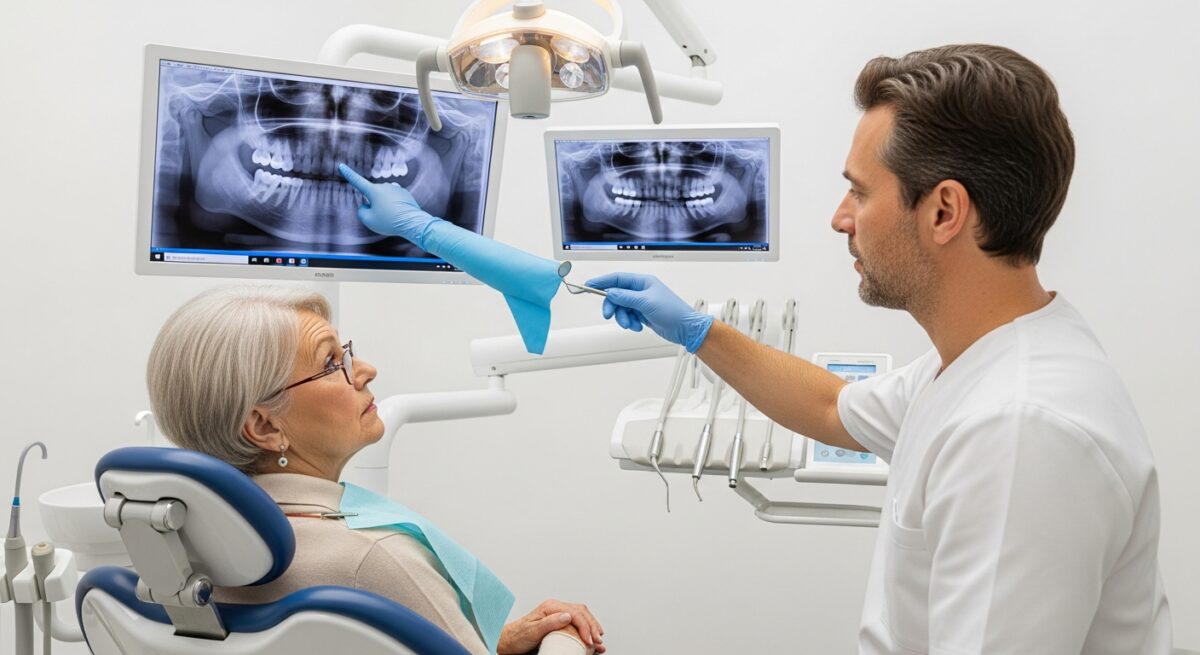
Medicare Dental Plans: How to Get Coverage in 2024
For millions of seniors, maintaining good oral health is a critical component of overall well being, yet it presents a persistent financial puzzle. Original Medicare, the federal health insurance program for people aged 65 and older, provides notoriously limited coverage for dental care, leaving beneficiaries to navigate a complex landscape of supplemental options. Understanding how to secure dental coverage under Medicare is not just about cleanings and fillings, it is about preventing serious health complications, managing chronic conditions, and preserving quality of life. This guide will demystify the available pathways, from Medicare Advantage plans to standalone dental insurance, helping you make an informed decision to protect your smile and your health without unexpected financial strain.
The Dental Coverage Gap in Original Medicare
It is essential to start with a clear understanding of what traditional Medicare Parts A and B do not cover. With rare exceptions, Original Medicare excludes routine dental care. This means common and necessary procedures like examinations, cleanings, X rays, fillings, tooth extractions, and dentures are not included. The exclusion also applies to more complex services such as root canals, crowns, bridges, and dental implants. The program will only pay for certain dental services that are integral to a covered medical procedure. For example, Medicare may cover a dental exam performed in a hospital prior to a kidney transplant or heart valve replacement. It might also cover reconstruction of the jaw following an accident or the extraction of teeth prior to radiation treatment for jaw diseases. These are highly specific scenarios, and for the vast majority of dental needs, beneficiaries are on their own.
This gap creates a significant financial burden. According to industry analyses, the average senior can spend over $1,000 annually on out of pocket dental expenses. Without insurance, a single major procedure like a crown or implant can cost several thousand dollars, potentially derailing a fixed income budget. This leads many to forgo care, which can have severe consequences. Poor oral health is linked to increased risks of heart disease, diabetes complications, respiratory infections, and even cognitive decline. Therefore, securing reliable dental coverage is not a luxury, it is a vital part of a comprehensive health strategy for seniors.
Primary Pathways to Dental Coverage
Seniors have two main avenues to obtain dental insurance: Medicare Advantage plans and standalone dental insurance policies. Each operates under different rules, with distinct costs, benefits, and provider networks.
Medicare Advantage (Part C) Plans
Medicare Advantage plans are offered by private insurance companies approved by Medicare. They provide an alternative way to receive your Medicare Part A and Part B benefits, and they often include extra benefits not covered by Original Medicare, such as vision, hearing, and dental care. These bundled plans have become the most common way for beneficiaries to get dental coverage. When you enroll in a Medicare Advantage plan that includes dental, you typically pay a single monthly premium (in addition to your Part B premium) that covers both medical and dental services. The dental benefits are administered according to the plan’s specific rules, which usually involve copayments, coinsurance, and an annual maximum benefit.
It is crucial to scrutinize the details of a plan’s dental benefits. Coverage levels can vary dramatically. Some plans offer robust benefits that include preventive care (cleanings, X rays, exams) at no cost, basic procedures (fillings, extractions) with low copays, and even a percentage of coverage for major work like crowns or dentures, all subject to an annual cap (often between $1,000 and $2,000). Other plans may offer only a very limited preventive benefit. Furthermore, most Medicare Advantage dental benefits operate within a network of dentists. Visiting an in network provider will result in the highest level of coverage and lowest out of pocket costs, while going out of network may lead to significantly higher expenses or no coverage at all. For a deeper comparison of how these plans work, our resource on the best dental insurance for seniors on Medicare breaks down the options.
Standalone Dental Insurance Plans
If you choose to stay with Original Medicare, or if your Medicare Advantage plan does not offer sufficient dental benefits, you can purchase a separate, private dental insurance policy. These plans are not connected to Medicare and are purchased directly from insurance companies or through brokers. They function similarly to employer sponsored dental insurance, with monthly premiums, deductibles, copayments, and annual maximums. Standalone plans often categorize services into three tiers: preventive (100% covered), basic (70 80% covered), and major (50% covered), after you meet your deductible. Like Medicare Advantage, they typically use provider networks (PPO or HMO models), so your choice of dentist will impact cost.
When evaluating standalone plans, pay close attention to waiting periods. Unlike Medicare Advantage, where dental coverage begins when your plan starts, many private policies impose waiting periods for certain procedures. You might get a cleaning covered immediately but have to wait 6 to 12 months for basic restorative work and 12 to 24 months for major procedures like crowns or implants. This makes it important to plan ahead and not wait for a dental emergency to purchase a policy. Additionally, consider the annual maximum, which is the most the plan will pay in a calendar year. For seniors who may need significant dental work, a plan with a higher maximum (e.g., $2,000 or more) is preferable, even if the premium is slightly higher.
Additional Options and Strategies
Beyond the two primary pathways, seniors have other tools to manage dental costs. These can be used alone or in conjunction with partial insurance coverage.
First, Dental Discount Plans are not insurance. Instead, you pay an annual membership fee to access a network of dentists who have agreed to provide services at a reduced, pre negotiated rate. There are no claim forms, deductibles, or annual maximums. You simply pay the discounted fee directly to the dentist at the time of service. These plans can offer significant savings, sometimes 20% to 50% off usual fees, but the discount varies by procedure and provider. It is a straightforward, predictable model, but it lacks the comprehensive risk pooling of insurance.
Second, for those who anticipate high dental costs, a Health Savings Account (HSA) or Flexible Spending Account (FSA) can be a powerful tool. While you cannot contribute to an HSA if you are enrolled in Medicare, you can use existing HSA funds tax free to pay for qualified dental expenses. FSAs, if available through a spouse’s employer, also allow for pre tax spending on dental care. Setting aside funds in these accounts creates a dedicated, tax advantaged pool of money for health expenses.
Finally, for low income seniors, state Medicaid programs may provide dental benefits. Coverage varies tremendously by state, from comprehensive care to only emergency services. It is worth checking with your state’s Medicaid office to see if you qualify. Additionally, many dental schools, community health centers, and non profit organizations operate low cost dental clinics that provide care on a sliding scale based on income. These can be invaluable resources for affordable treatment.
How to Choose the Right Dental Coverage
Selecting the best dental coverage requires a careful assessment of your personal health needs, financial situation, and preferences. Follow this strategic approach to make a confident decision.
Begin by evaluating your current and anticipated dental health. Consider your oral health history, the condition of your teeth and gums, and any upcoming procedures you know you will need. If you have a trusted dentist, check which insurance plans or networks they participate in, as staying with your current provider may be a priority. Next, analyze the financial aspects of each option. Create a simple comparison that includes: monthly premium, annual deductible, coverage percentages for preventive, basic, and major services, the annual maximum benefit, and any waiting periods. Estimate your total annual cost (premiums + estimated out of pocket expenses) under each scenario.
To make an informed choice, it is helpful to weigh the pros and cons of each main option. For a focused look at comparing these plans, you can explore our dedicated Medicare supplemental dental insurance guide.
- Medicare Advantage with Dental: Pros include convenience (one plan for medical and dental), often $0 premium add ons for dental, and no waiting periods for covered benefits. Cons involve being locked into a plan’s network and medical rules, potentially limited annual maximums, and the need to change dental coverage if you switch Medicare Advantage plans annually.
- Standalone Dental Insurance: Pros offer the freedom to keep Original Medicare and your chosen doctors, potentially higher annual maximums, and stability (the dental plan is separate from your medical coverage). Cons typically include separate monthly premiums, common waiting periods for major work, and often lower coverage percentages for complex procedures.
- Dental Discount Plan: Pros are low annual cost, no deductibles or maximums, and immediate use. Cons are not insurance (you pay the full discounted fee), savings are variable, and you must use in network providers.
Remember, the Medicare Annual Election Period (October 15 to December 7) is your opportunity to enroll in or switch Medicare Advantage plans for the following year. This is the primary window to add or change dental coverage through Medicare. For standalone plans, you can generally enroll at any time. Read full article for more in depth analysis on timing and enrollment strategies.
Frequently Asked Questions
Does any part of Medicare pay for dental implants? Original Medicare does not cover dental implants, as they are considered a dental procedure, not a medical one. However, some Medicare Advantage plans may offer partial coverage for implants, often classifying them as a major service subject to coinsurance (e.g., 50%) and the plan’s annual maximum. You must check your plan’s Evidence of Coverage document for specifics.
Can I have both a Medicare Advantage plan and a standalone dental plan? Yes, you can. If the dental benefits in your Medicare Advantage plan are minimal, you can purchase a separate dental policy to enhance your coverage. Be mindful of coordination of benefits rules and ensure you are not paying for duplicate coverage. It is usually not cost effective to have two plans covering the same basic preventive services.
Are there any programs that help with dental costs for seniors on a very limited income? Yes. As mentioned, state Medicaid may offer benefits. Additionally, the Administration on Aging and local Area Agencies on Aging can direct you to state and local assistance programs. Some national charities, like Dental Lifeline Network, have programs that provide free, comprehensive dental treatment to seniors who are disabled, elderly, or medically fragile and cannot afford care.
What is the typical cost of a Medicare Advantage plan with dental? Many Medicare Advantage plans include a dental benefit for $0 additional monthly premium beyond the plan’s own premium (which can also be $0 in some cases). However, you are still responsible for your Medicare Part B premium. You will also have copays or coinsurance for services. Plans with more extensive dental benefits, such as those covering crowns or implants, may have a higher monthly premium.
If I need major dental work, is insurance or a discount plan better? For predictable, major work, a dental insurance plan with a high annual maximum is generally better if you have already served any waiting periods. The insurance will pay a percentage of the cost up to the maximum, which can lead to greater savings than a flat discount on a large bill. A discount plan is better for those who want simple, upfront pricing and minimal ongoing costs, but the out of pocket expense will still be substantial for major procedures.
Navigating dental coverage as a Medicare beneficiary requires proactive research and a clear understanding of your own needs. By carefully comparing Medicare Advantage plans, standalone policies, and alternative savings options, you can find a solution that protects both your oral health and your financial security. The goal is to eliminate surprises, ensuring you can access necessary care without fear of excessive debt. Start your evaluation well before you need care, consult official Medicare resources, and consider speaking with a licensed insurance agent who specializes in senior health products to clarify your options. Your smile is worth the effort.
Share This Story, Choose Your Platform!
About the Author: Lucas Reynolds