Best Auto Insurance Rates 2026 in San Francisco: Top Picks
San Francisco drivers face a unique challenge when it comes to car insurance. With dense traffic, high repair costs, and elevated theft rates, premiums in the City by the Bay consistently rank among the highest in California. But finding affordable coverage is not a lost cause. Whether you commute across the Bay Bridge or drive only on weekends, the best auto insurance rates 2026 in San Francisco are within reach if you know where to look and how to compare. This guide walks you through what shapes your rate, which carriers are competitive, and how to lock in savings without sacrificing protection.
What Drives Auto Insurance Costs in San Francisco
Insurance companies assess risk based on several factors, and San Francisco presents a distinct risk profile. The city’s density means more accidents per mile driven. Parking on steep hills and crowded streets leads to frequent claims for collisions, vandalism, and theft. California law also requires minimum liability coverage of $15,000 per person and $30,000 per accident for bodily injury, plus $5,000 for property damage. Many drivers choose higher limits to protect assets, which raises the base cost.
Your personal profile matters just as much. Your driving record, credit score (where permitted), age, and annual mileage all influence your premium. For example, a driver with a clean record and good credit might pay significantly less than a younger driver with a single at-fault accident. In our guide on auto insurance rates rise after violations, we explain how a speeding ticket or DUI can increase your premium by 30 to 80 percent, depending on the carrier. Understanding these factors helps you identify which insurers favor your specific risk profile.
Top Carriers for Affordable Coverage in 2026
Not all insurers treat San Francisco the same way. Some companies specialize in urban markets and offer competitive rates for city drivers. Others rely heavily on credit-based scoring or mileage formulas that may penalize short commuters or those with occasional lapses. After analyzing rate filings and consumer data for 2026, several carriers stand out for balancing price and service.
GEICO
GEICO consistently offers low base rates for drivers with clean records. Their online platform makes it easy to get a quote and manage your policy. Many San Francisco drivers report savings of 10 to 15 percent compared to national averages. GEICO also provides a usage-based program called DriveEasy, which can reduce premiums for safe driving habits.
Progressive
Progressive is known for its Name Your Price tool, which lets you set a budget and see coverage options that fit. They also offer Snapshot, a telematics program that rewards low-mileage and smooth driving. For drivers who bundle auto and renters insurance, Progressive often delivers discounts that bring the total cost below standalone policies.
State Farm
State Farm maintains a strong local agent network in the Bay Area. If you prefer in-person advice or have complex coverage needs (such as an umbrella policy), State Farm provides personalized service. Their rates are competitive for drivers with good credit and multiple policies. They also offer a Steer Clear program for drivers under 25, which can lower premiums for young adults who complete a safe-driving course.
USAA
Military members and their families should check USAA first. Their rates for San Francisco drivers are often 20 to 30 percent lower than civilian competitors. USAA also ranks high in customer satisfaction and claims handling. Eligibility requires an affiliation with the U.S. military, but if you qualify, USAA is frequently the cheapest option.
How to Compare Quotes Effectively
Getting the best auto insurance rates 2026 in San Francisco requires more than clicking one website. You need to compare quotes from at least three to five insurers, using the same coverage limits and deductibles. A common mistake is comparing a high-deductible quote from one company with a low-deductible quote from another. That skews the price difference. Always request quotes with identical liability limits, comprehensive and collision deductibles, and any add-ons like rental car reimbursement or roadside assistance.
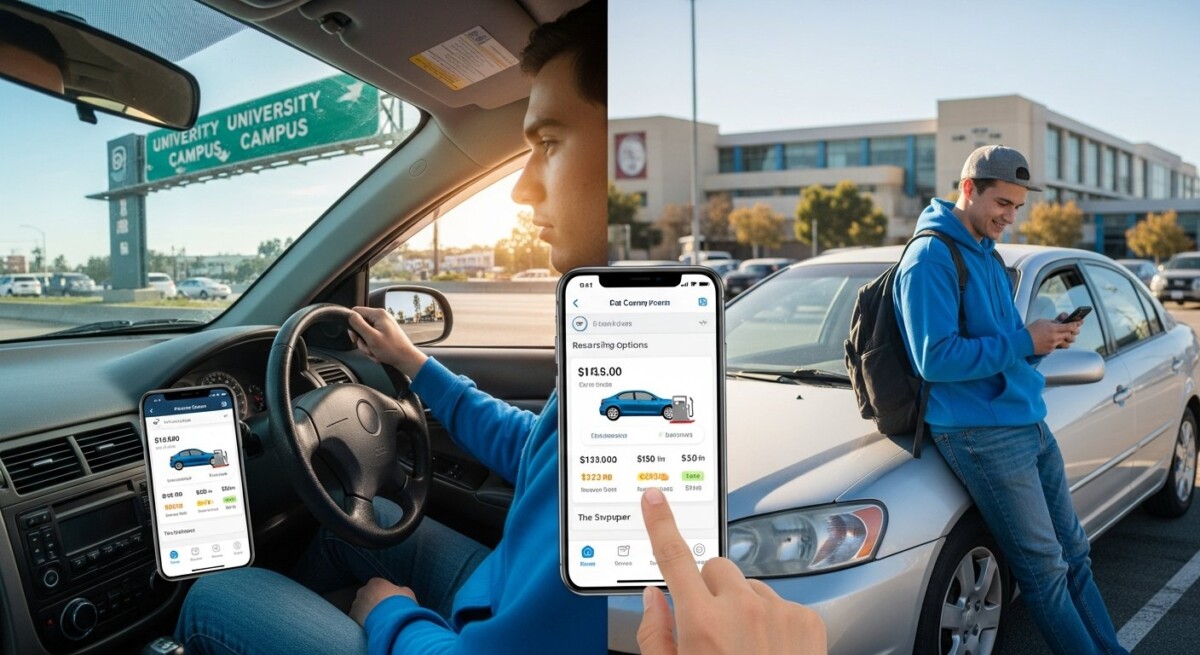
To streamline the process, use a comparison platform like InsuranceShopping.com. Our tools let you enter your information once and receive multiple quotes side by side. You can filter by coverage type, discount eligibility, and customer ratings. This approach saves hours of manual research and ensures you see the full market, not just the brands you recognize. For a deeper dive into how carriers score and rank, read our auto insurance best reviews: 2026 guide to decoding top ratings.
Here are the key steps to follow when comparing quotes:
- Gather your current policy declarations page to match coverage exactly.
- Know your vehicle’s VIN and annual mileage estimate.
- List all drivers in your household, including their license numbers and driving history.
- Check for available discounts such as good student, multi-policy, anti-theft device, or paperless billing.
- Request quotes from a mix of national carriers and regional insurers that operate in California.
Once you have quotes in hand, look beyond the monthly premium. Review each policy’s deductible structure and coverage limits. A lower premium with a $1,000 deductible might cost you more in the long run if you file a claim. Conversely, a slightly higher premium with a $250 deductible could provide better peace of mind for drivers who park on the street. Balance your budget with your risk tolerance.
Discounts That Make a Real Difference
San Francisco drivers can access several discounts that significantly reduce premiums. The most common include multi-policy discounts for bundling auto with renters or homeowners insurance. Many carriers offer 5 to 15 percent off both policies when you bundle. Defensive driving course discounts are also widely available. Completing an approved course (online or in person) can lower your rate for three years. Some insurers offer accident forgiveness, which prevents a first at-fault accident from raising your premium. This is especially valuable for drivers with clean records.
Low-mileage discounts are another area where San Francisco drivers often qualify. If you work from home or use public transit part of the week, your annual mileage may fall below 7,500 miles. Telematics programs like Progressive Snapshot or Allstate Drivewise can verify low mileage and safe driving, earning you discounts of up to 30 percent. Finally, paying your premium in full (rather than monthly installments) can save you installment fees and sometimes an additional discount. Ask each insurer about these savings during the quoting process.
Understanding California’s Insurance Landscape in 2026
California’s insurance market has seen notable changes heading into 2026. Proposition 103, passed in 1988, still governs how insurers set rates. It requires that rates be based primarily on driving experience, miles driven, and safety record, rather than on zip code alone. This rule benefits San Francisco drivers compared to other dense cities where insurers might otherwise charge more based solely on territorial risk. However, recent regulatory updates have allowed limited use of telematics data to offer more personalized pricing. This trend favors safe drivers who can prove their habits through technology.
Another important factor is the state’s low maximum for medical payments coverage. California does not require personal injury protection (PIP), and medical payments coverage is optional. If you want protection for your own medical bills after an accident regardless of fault, you must add MedPay to your policy. Many San Francisco drivers choose $5,000 to $10,000 in MedPay to cover emergency room visits and follow-up care. For a complete breakdown of average costs and coverage options, see our article on auto insurance California cost in 2026: average rates and tips.
When to Shop for a New Policy
Timing your insurance shopping can save you money. The best time to compare rates is 30 to 45 days before your current policy expires. Most insurers allow you to lock in a new policy up to 30 days in advance. If you wait until the last week, you may face pressure to renew without fully exploring options. Life events such as moving to a new neighborhood, adding a teen driver, or paying off a car loan also signal good times to shop. Even if your current insurer treats you well, other carriers may offer better rates for your updated situation.
Keep in mind that canceling a policy mid-term may involve a cancellation fee. But if the savings from switching exceed the fee, switching still makes financial sense. Always ask your current insurer if they can match a competitor’s quote before you cancel. Many companies have retention departments that can offer discounts to keep your business. If you need help getting started, visit auto insurance California quote: get your low rate now to compare top carriers in minutes.
Frequently Asked Questions
Is San Francisco more expensive for car insurance than other California cities?
Yes, San Francisco typically has higher average premiums than many other California cities due to higher population density, theft rates, and repair costs. However, rates vary widely by individual driver profile, so comparing quotes is essential.
What is the minimum car insurance required in San Francisco?
California law requires liability coverage of $15,000 per person for bodily injury, $30,000 per accident for bodily injury, and $5,000 for property damage. Uninsured motorist coverage is not mandatory but is recommended given the state’s rate of uninsured drivers.
Can I get car insurance with a suspended license in San Francisco?
It is very difficult to obtain a standard auto policy with a suspended license. Some non-standard insurers may offer a policy, but rates will be extremely high. You should consult a licensed agent or use a comparison tool to explore limited options.
Does my credit score affect my auto insurance rate in California?
California law prohibits insurers from using credit scores to set auto insurance rates. Insurers may use other factors such as driving record, miles driven, and years of experience. This makes it easier for drivers with poor credit to find competitive rates.
How can I lower my premium if I live in a high-theft area of San Francisco?
Park in a garage or off-street parking whenever possible. Install an anti-theft device such as a steering wheel lock or GPS tracker. Many insurers offer discounts for these devices. Also, consider raising your comprehensive deductible to lower your premium, since theft claims fall under comprehensive coverage.
Finding the best auto insurance rates 2026 in San Francisco comes down to understanding your unique risk profile, comparing multiple carriers, and taking advantage of every available discount. The market is competitive, and with the right approach, you can secure coverage that protects your car and your wallet. Start your comparison today by using a trusted platform that shows you real rates from top insurers. For personalized assistance, call us at (833) 203-6742 to speak with a licensed advisor who can guide you through the process.
Share This Story, Choose Your Platform!
About the Author: Elias Thorn