Cheapest Auto Insurance 2026 in San Francisco: Top Tips
San Francisco is one of the most expensive cities in the United States for car insurance. With narrow streets, dense traffic, high rates of vandalism, and a competitive insurance market, drivers often feel like they are overpaying for coverage. But finding the cheapest auto insurance 2026 in San Francisco is possible if you know where to look and which strategies actually lower your premium. In this guide, we break down the most affordable carriers, the biggest cost factors, and the exact steps you can take to save hundreds of dollars per year.
The key is to understand that no single company offers the lowest rate for everyone. Your driving history, credit score, vehicle type, and even your neighborhood within the city all influence the final price. Our team at InsuranceShopping.com has analyzed current rate data and expert insights to help you navigate this complex market. We will show you how to compare quotes effectively, take advantage of discounts, and choose a policy that balances cost with the coverage you actually need.
Why Auto Insurance Costs So Much in San Francisco
San Francisco has unique characteristics that push insurance rates above the state average. According to recent data, the average annual premium in the city is roughly 15 to 20 percent higher than the California statewide average. Several factors contribute to this gap.
First, traffic density is extreme. More cars on the road means more accidents. Second, the city has a high rate of property crime, including theft from vehicles and vandalism. Comprehensive coverage, which pays for non-collision damage, becomes more expensive as a result. Third, the cost of medical care and vehicle repairs in the Bay Area is elevated, which raises liability and collision premiums. Finally, California’s regulatory environment limits how insurers can use credit scores and other rating factors, sometimes leading to higher base rates for all drivers.
Understanding these drivers is the first step. When you know why prices are high, you can target the specific areas where you might find savings. For example, if you drive a car that is frequently stolen, you could switch to a less targeted model. If you live in a neighborhood with high vandalism, choosing a garage parking spot could lower your comprehensive premium.
Top 5 Cheapest Auto Insurance Companies in San Francisco for 2026
Based on rate analysis and customer feedback, the following insurers consistently offer competitive rates for San Francisco drivers. Keep in mind that your personal rate will vary, so always compare multiple quotes before deciding.
- GEICO often leads with the lowest average rates for good drivers and those with clean records. Their online platform makes it easy to get a quote quickly.
- Progressive is a strong choice for drivers who have had a recent accident or ticket. Their Name Your Price tool helps you find a policy that fits your budget.
- State Farm provides competitive rates for drivers with home or renters insurance bundles. Local agents in San Francisco can offer personalized advice.
- USAA is the best option for military members and their families. Their rates are frequently lower than the market average, and customer satisfaction is high.
- Mercury Insurance is a California-based carrier that often offers affordable rates for drivers with a few minor violations or lower credit scores.
It is important to note that the cheapest company for one driver may be expensive for another. For instance, a 25-year-old single driver might find the lowest rate with GEICO, while a 45-year-old married driver with a bundled policy might pay less with State Farm. The only way to be sure is to get personalized quotes from at least three of these carriers.
How to Lower Your Auto Insurance Premium in San Francisco
There are several actionable strategies that can reduce your premium without sacrificing necessary coverage. Start by reviewing your current policy and asking yourself a few key questions.
Increase Your Deductible
Raising your collision and comprehensive deductibles from $500 to $1,000 can lower your premium by 10 to 20 percent. This is one of the fastest ways to save money. Just make sure you have that amount set aside in an emergency fund in case you need to file a claim.
Take Advantage of Discounts
Most insurers offer a variety of discounts that many drivers overlook. Common discounts include multi-policy (bundling auto and home or renters), multi-car, good driver, good student, low mileage, and defensive driving course completion. Ask every carrier you quote about their full list of discounts.
Improve Your Credit Score
In California, insurers are allowed to use credit-based insurance scores to set rates, though with some restrictions. A higher score can lead to a lower premium. Pay down credit card balances, avoid late payments, and check your credit report for errors annually.
Drive Less
If you work from home or use public transit most days, you may qualify for a low-mileage discount. Some insurers offer usage-based programs that track your driving habits and reward safe, low-mileage driving with lower rates. Progressive and State Farm both offer such programs in California.
Choose the Right Vehicle
Before buying a new car, check its insurance cost. Sports cars, luxury vehicles, and models with high theft rates are more expensive to insure. A midsize sedan with good safety ratings and affordable repair parts will cost less to cover.
For a deeper look at how rates vary across the state, read our guide on Auto Insurance California Cost in 2026: Average Rates & Tips. That article breaks down regional differences and provides additional cost-saving strategies.
Comparing Quotes: The Smart Way to Find Cheap Auto Insurance 2026 in San Francisco
The single most effective step you can take is to compare quotes from multiple insurers. Rates for the same driver can vary by hundreds of dollars between companies. However, not all quote comparison tools are created equal. Some only show a few carriers, while others give you a broader view.
When you use InsuranceShopping.com to compare quotes, you can see options from top-rated companies side by side. Our platform is designed to help you evaluate coverage limits, deductibles, and discounts in one place. We recommend getting at least three to five quotes and looking beyond the monthly price. Consider the financial strength of the insurer, their customer service reputation, and how they handle claims.
It is also wise to check the latest Auto Insurance Best Reviews: 2026 Guide to Decoding Top Ratings to understand which companies perform well in areas like claims satisfaction and policyholder loyalty. A cheap policy from a company with poor service can end up costing you more in the long run if a claim is mishandled.
Minimum Coverage vs. Full Coverage: What You Need
California law requires all drivers to carry liability insurance with minimum limits of $15,000 per person for bodily injury, $30,000 per accident for bodily injury, and $5,000 for property damage. This is often called 15/30/5 coverage. However, in an expensive city like San Francisco, these minimums are unlikely to be enough.
If you cause an accident and the damages exceed your limits, you could be personally sued for the difference. Most financial experts recommend carrying at least $100,000 per person and $300,000 per accident for bodily injury liability, plus $100,000 for property damage. If you have a car loan or lease, your lender will require full coverage, which includes collision and comprehensive.
While full coverage costs more, it protects your vehicle against theft, vandalism, and damage from accidents. Given San Francisco’s high rate of break-ins and collisions, full coverage is often a wise investment. The cheapest auto insurance 2026 in San Francisco for full coverage still costs more than a minimum liability policy, but the peace of mind is significant.
Special Considerations for San Francisco Drivers
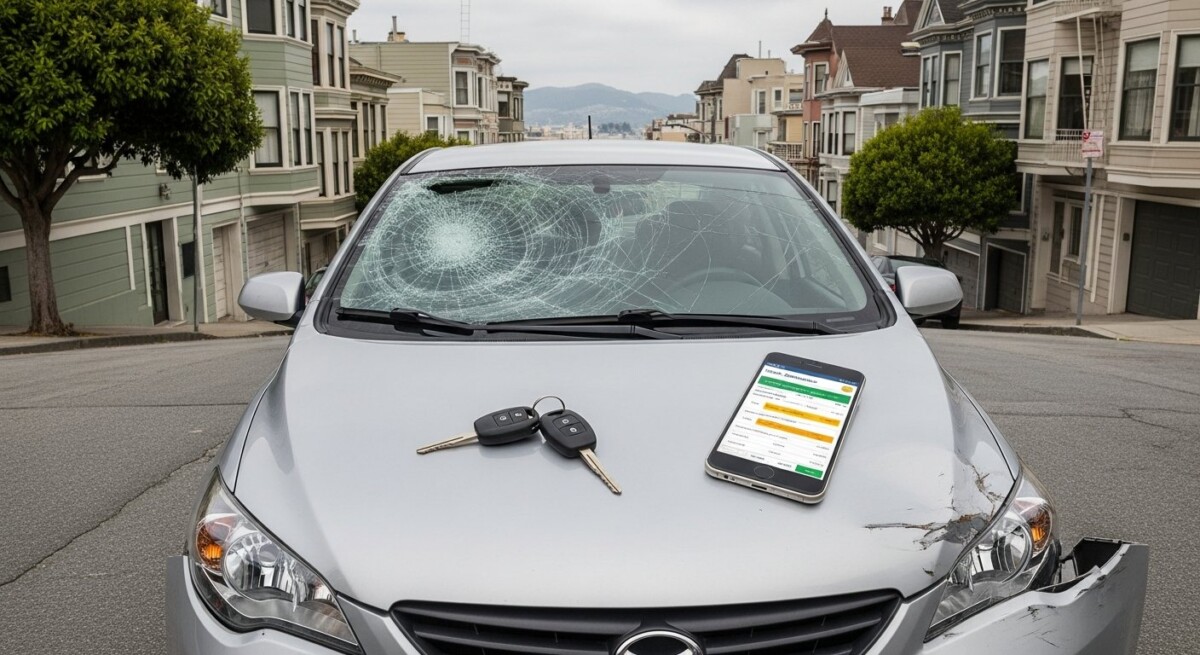
Living in the city comes with unique insurance needs. If you park on the street, your comprehensive coverage is more likely to be used for window repair or theft of belongings. Some insurers offer a vanishing deductible or accident forgiveness program that can save you money after a claim.
Another factor is the prevalence of rideshare driving. Many San Francisco residents drive for Uber or Lyft part-time. Standard personal auto policies do not cover accidents that occur while you are logged into a rideshare app and waiting for a fare. You need a rideshare endorsement or a commercial policy to be fully protected. Companies like GEICO, State Farm, and Allstate offer such endorsements in California.
Finally, consider bundling your auto insurance with renters or homeowners insurance. This can lower both premiums by 5 to 15 percent. If you are a homeowner in San Francisco, check our guide on Affordable Auto Insurance in Augusta, GA for bundling strategies that also apply locally. The principle is the same: combining policies with one insurer often unlocks discounts.
Frequently Asked Questions
What is the cheapest auto insurance company in San Francisco for 2026?
There is no single cheapest company for everyone. GEICO, Progressive, and Mercury often appear at the top of rate comparisons, but your personal rate depends on your age, driving record, vehicle, and location. Always compare multiple quotes.
Can I get cheap auto insurance with a bad driving record in San Francisco?
Yes, but your options are more limited. Companies like Progressive and Mercury specialize in insuring high-risk drivers. You may also consider taking a defensive driving course to reduce points on your record and qualify for a discount.
Does San Francisco have higher insurance rates than other California cities?
Yes. San Francisco rates are generally higher than in suburban or rural parts of the state due to traffic density, crime rates, and higher repair costs. However, rates are comparable to other major cities like Los Angeles and Oakland.
How often should I shop for auto insurance in San Francisco?
At least once a year. Your rate can change when your policy renews, and new discounts or competitors may offer better deals. Major life events like moving, getting married, or buying a new car are also good times to compare quotes.
What discounts are available for San Francisco drivers?
Common discounts include multi-policy, good driver, good student, low mileage, defensive driving course, anti-theft device, and paid-in-full discounts. Ask each insurer for a complete list.
Final Thoughts on Finding Affordable Coverage
Securing the cheapest auto insurance 2026 in San Francisco requires a proactive approach. Start by understanding the factors that drive up rates in the city, then use that knowledge to tailor your search. Compare quotes from at least three carriers, take advantage of every discount you qualify for, and consider adjusting your deductible or coverage levels to match your actual risk. For a detailed look at how age affects your premium, see our article on Age Restrictions for Autostate Auto Insurance. Remember that the cheapest policy is not always the best value. Balance cost with the financial strength and customer service reputation of the insurer. With the right strategy, you can find a policy that protects you and your vehicle without breaking the bank.
Share This Story, Choose Your Platform!
About the Author: Liora Ashcroft