
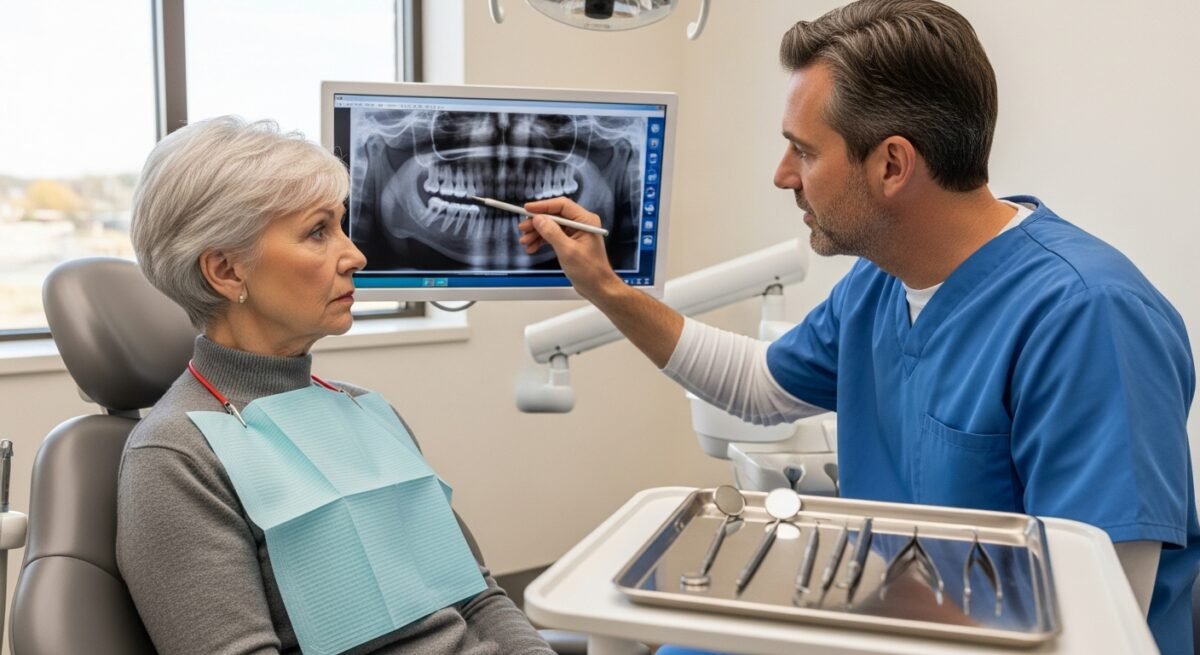
Does Medicare Have Dental Insurance for Seniors?
Original Medicare does not cover routine dental care, but seniors have several options for securing coverage. Learn how to navigate Medicare Advantage, standalone plans, and savings programs to protect your oral health.

By Daniel Greene
If you’re among the millions of Americans enrolled in Medicare, you may have been surprised to learn that a routine dental cleaning isn’t covered. This gap in coverage presents a significant and often costly challenge for seniors seeking to maintain their oral health. Understanding what original Medicare does and does not cover is the first step toward finding a solution. This comprehensive guide will answer the central question of whether Medicare has dental insurance, explain the limitations of your current benefits, and explore the practical options available to secure the dental care you need. Navigating this landscape is crucial, as oral health is deeply connected to overall wellness, impacting conditions like heart disease and diabetes.
The Short Answer: Original Medicare’s Dental Coverage
Traditional Medicare, which includes Part A (Hospital Insurance) and Part B (Medical Insurance), provides extremely limited dental coverage. The program is designed primarily to cover medically necessary services, and with rare exceptions, it does not consider routine dental care to fall under that definition. Generally, Medicare will not pay for preventative care like cleanings, exams, X-rays, or fillings. It also does not cover major procedures such as root canals, extractions, dentures, or dental implants when the primary purpose is dental health. This lack of coverage can lead to seniors postponing care, which often results in more severe and expensive health problems down the line.
There are very specific, narrow circumstances where Medicare Part A or Part B might provide limited dental coverage. These exceptions occur only when the dental service is integral to treating a covered medical condition or is required for a covered non-dental procedure. For instance, if you need a tooth extraction as a necessary preparation for radiation treatment for jaw cancer, Medicare may cover it. Similarly, if you are hospitalized due to a severe facial injury from an accident and require reconstructive dental surgery, Medicare Part A might cover the dental aspects that are part of that inpatient treatment. However, the line between what is considered “medically necessary” versus routine is strictly drawn, and claims are reviewed on a case-by-case basis. It is essential to get pre-authorization from Medicare in these complex situations to avoid unexpected denials and bills.
Pathways to Dental Coverage for Medicare Beneficiaries
While the limitations of original Medicare are clear, beneficiaries are not without options. Several pathways exist to help fill this dental coverage gap, each with its own structure, costs, and benefits.
Medicare Advantage Plans (Part C)
Medicare Advantage Plans, offered by private insurers approved by Medicare, are the most common way beneficiaries gain dental coverage. These plans bundle Part A, Part B, and usually Part D (prescription drugs) into a single plan. A significant majority of these plans include some level of dental benefits as an extra incentive. The coverage provided can vary dramatically from one plan to another. Some may offer only very basic preventative care, such as two cleanings and an exam per year with a small co-pay, while others might include more comprehensive benefits like coverage for fillings, extractions, and even dentures, albeit often with annual maximums, such as $1,000 or $1,500. It is critical to scrutinize the plan’s Summary of Benefits, paying close attention to the network of dentists, waiting periods for major services, and any coverage caps. For a deeper dive into these plans and how to evaluate them, our guide on the best dental insurance for seniors on Medicare compares the options in detail.
Standalone Dental Insurance Plans
If you are enrolled in original Medicare (Parts A and B) and prefer not to switch to a Medicare Advantage Plan, you can purchase a standalone dental insurance policy. These plans operate independently of Medicare. They typically come with premiums, deductibles, co-pays, and annual maximum benefit limits. Common plan structures include Dental Health Maintenance Organizations (DHMOs), which require you to use dentists within a specific network, and Dental Preferred Provider Organizations (DPPOs), which offer more flexibility to see out-of-network providers at a higher cost. When shopping for a standalone plan, consider factors like the waiting period for major services (which can be 6 to 12 months), whether the annual maximum rolls over, and if there is a discount program for services beyond the annual limit.
Dental Savings Plans
An alternative to traditional insurance is a dental savings plan, also known as a dental discount plan. This is not insurance, but rather a membership program that provides access to a network of dentists who have agreed to offer discounted fees to members. You pay an annual fee to join the plan and then receive discounted rates on all services from participating providers. There are no annual maximums, deductibles, or waiting periods, and claims forms are usually not required. This can be a cost-effective option for individuals who need significant work done quickly or who anticipate costs exceeding a typical insurance plan’s annual maximum. However, it is vital to check that there are reputable dentists in your area participating in the plan.
Key Factors to Consider When Choosing Dental Coverage
Selecting the right dental coverage requires a careful assessment of your personal needs and financial situation. Rushing into a plan without proper evaluation can lead to frustration and unexpected out-of-pocket costs. Here are the primary factors you should weigh.
First, conduct an honest assessment of your current and anticipated dental health. If you have maintained excellent oral health and only need routine preventative care, a plan with strong preventative benefits and a low premium might be sufficient. Conversely, if you have existing issues, need restorative work, or anticipate needing dentures or implants, you should prioritize plans with higher annual maximums and better coverage for major services, even if the premium is higher. Consider any ongoing treatments and discuss future needs with your dentist to make an informed projection.
Second, understand all costs involved, which go far beyond the monthly premium. Evaluate the plan’s deductible (the amount you pay before coverage begins), co-pays or coinsurance percentages for different service tiers (preventative, basic, major), and the annual maximum (the total amount the plan will pay in a benefit year). A plan with a low premium might have a high deductible or a very low annual maximum, making it unsuitable for anything beyond basic care. Create a simple cost comparison for scenarios like two cleanings and an exam versus a more complex scenario involving a crown to see which plan offers better financial protection. For a thorough breakdown of costs and plan structures, our Medicare supplemental dental insurance guide is an invaluable resource.
Finally, examine the plan’s logistical details. Check if your current dentist is in-network, as staying with a trusted provider is often a priority. If you are willing to switch, research the quality and accessibility of in-network dentists in your area. Be aware of any waiting periods, particularly for major services, as you may need to wait 6 to 12 months before you can use that coverage. Also, review the plan’s policy on pre-existing conditions, as some standalone plans may impose restrictions.
To summarize your decision-making process, focus on these core elements:
- Your Dental Health Status: Assess immediate needs and predict future procedures.
- Total Cost of Ownership: Compare premiums, deductibles, co-pays, and annual maximums.
- Provider Network: Confirm your dentist is in-network or evaluate available in-network options.
- Plan Limitations: Understand waiting periods, benefit caps, and exclusions.
- Type of Plan: Decide between Medicare Advantage add-ons, standalone insurance, or a savings plan based on your usage patterns.
Frequently Asked Questions
Does Medicare Part B cover any dental services?
Medicare Part B provides extremely limited dental coverage, only in very specific situations where the dental procedure is medically necessary as part of a covered treatment. Examples include a required tooth extraction before heart valve surgery or jaw reconstruction following an accident. Routine dental care is not covered under Part B.
Can I get dental coverage through a Medicare Supplement (Medigap) plan?
No, standard Medicare Supplement Insurance plans (Medigap) do not include routine dental coverage. These plans are designed to help pay for out-of-pocket costs associated with original Medicare, such as copayments and deductibles, but they do not expand the scope of services Medicare covers. You would need to seek dental coverage through a separate plan.
What is the average cost of dental insurance for a senior on Medicare?
Costs vary widely. Premiums for a standalone senior dental plan can range from $20 to $60 per month. Dental benefits within a Medicare Advantage Plan may have no additional premium beyond the Part B premium, or they may have a small add-on cost. Always look beyond the premium to the deductible, co-pays, and annual maximum to understand the true cost.
Are there any government or low-income programs that help with dental costs for seniors?
Some state Medicaid programs offer dental benefits for eligible low-income seniors, but coverage varies significantly by state. The Read full article on state-specific programs can be a helpful next step. Additionally, local community health centers and dental schools often provide services on a sliding fee scale, which can be a valuable resource.
If I have a Medicare Advantage Plan with dental, can I also buy a separate dental plan?
Typically, it is not necessary or cost-effective to have two dental plans. Coordination of benefits between two insurers can be complex and may not result in greater overall coverage. It is generally advisable to choose the single plan that best meets your needs.
Securing dental coverage is a vital component of a holistic healthcare strategy for seniors. While original Medicare leaves a significant gap, the available alternatives, from Medicare Advantage to standalone plans and discount programs, provide viable solutions. By carefully evaluating your health needs, budget, and preferred providers, you can find a plan that allows you to maintain your oral health without facing financial hardship. Proactive planning in this area is an investment in your overall well-being, helping to prevent minor issues from developing into major medical concerns. For more detailed strategies on navigating these choices, our article on does Medicare offer dental insurance provides further actionable tips for seniors.