
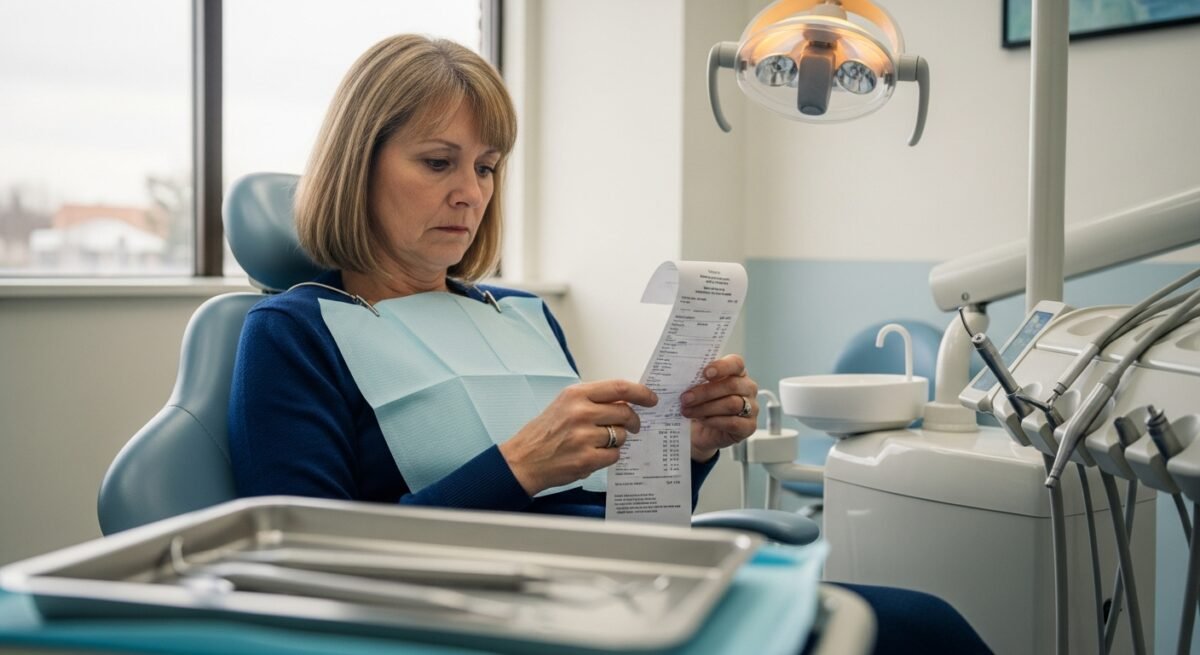
Does Medicare Include Dental Insurance? A Guide to Senior Coverage
Original Medicare does not cover routine dental care, leaving a major gap for seniors. Learn how to secure affordable dental insurance with Medicare to protect your health and budget.

By Lucas Reynolds
For millions of Americans, enrolling in Medicare marks a significant milestone in accessing healthcare. However, the celebration can be short-lived upon discovering a surprising and costly gap: Original Medicare (Parts A and B) provides no coverage for routine dental care. This omission leaves many seniors asking a critical question: how do I get dental insurance with Medicare? Navigating this coverage gap requires understanding your options, from private Medicare Advantage plans to standalone dental policies, to protect both your oral health and your finances.
The Medicare Dental Coverage Gap Explained
It is essential to first understand what is not covered. Traditional Medicare, the federal health insurance program for people 65 and older and some younger individuals with disabilities, is designed primarily for medically necessary hospital and doctor services. Dental care, with very narrow exceptions, is considered separate. Part A (Hospital Insurance) will only pay for certain dental services if they are required as part of a covered inpatient hospital stay, such as reconstruction of the jaw following an accident or extraction before radiation treatment for jaw cancer. Part B (Medical Insurance) does not cover routine cleanings, fillings, dentures, or extractions. This creates a substantial financial burden, as out-of-pocket costs for dental work can quickly escalate into thousands of dollars.
The consequences of skipping dental care due to cost are severe for seniors. Untreated oral health issues are linked to serious systemic problems, including heart disease, diabetes complications, and respiratory infections. Poor oral health can also affect nutrition and overall quality of life. Therefore, securing reliable dental coverage is not merely a convenience, it is a vital component of holistic health maintenance in your later years. For a deeper look at what Medicare does and does not cover, our resource on does Medicare offer dental insurance breaks down the specifics.
Your Primary Options for Dental Coverage
Seniors have several pathways to obtain dental insurance. The choice depends on your budget, health needs, and preference for flexibility. The two most common routes are through Medicare Advantage plans or purchasing separate, private dental insurance.
Medicare Advantage (Part C) plans are offered by private insurance companies approved by Medicare. These plans bundle Part A, Part B, and usually Part D (prescription drug) coverage into one policy. Crucially, most Medicare Advantage plans include additional benefits not found in Original Medicare, with dental care being the most popular added benefit. These dental benefits can range from limited preventive care (cleanings, X-rays) to more comprehensive coverage for procedures like fillings, crowns, and even dentures. However, it is vital to scrutinize the details: annual maximums (often $1,000 to $2,000), networks of dentists, and copayment structures vary widely.
Standalone dental insurance plans are purchased separately from private insurers. You can buy these whether you have Original Medicare or a Medicare Advantage plan that lacks sufficient dental benefits. These plans function similarly to employer-based dental insurance, typically featuring a network of dentists, deductibles, copays, and annual maximums. They often categorize services into preventive (covered at 100%), basic (e.g., fillings, covered at 80%), and major (e.g., crowns, covered at 50%). For those seeking the most affordable options tailored to seniors, exploring the best dental insurance for seniors on Medicare is a valuable starting point.
Evaluating Medicare Advantage Dental Benefits
Choosing a Medicare Advantage plan for its dental benefit requires careful analysis. Do not assume all dental benefits are created equal. Start by reviewing the plan’s Evidence of Coverage (EOC) or Summary of Benefits. Pay close attention to the following key factors that define the value of the dental coverage.
The annual maximum is the most your plan will pay for covered dental services in a calendar year. Once you exceed this amount, you pay 100% of the costs. Maximums can be as low as $500 or as high as $2,000 or more. Consider your dental health history: if you anticipate needing significant work, a low maximum may offer minimal financial protection. Next, examine the network. Many Medicare Advantage plans use Dental Health Maintenance Organization (DHMO) or Preferred Provider Organization (PPO) networks. Using an in-network dentist usually results in the lowest out-of-pocket costs. If you have a trusted dentist, verify they are in the plan’s network before enrolling.
Finally, understand the cost-sharing structure. What is the copay for a routine cleaning? What percentage of the cost do you pay for a root canal or crown? Some plans may cover two cleanings per year at no cost but then have high coinsurance for restorative work. It is also important to note that these benefits can change annually. A plan that offers excellent dental coverage this year might reduce its benefits or increase copays the next year during the Annual Election Period. Our Medicare supplemental dental insurance guide provides a detailed comparison of how these benefits stack up against standalone plans.
Standalone Dental Insurance and Discount Plans
For those who prefer Original Medicare with a Medigap (supplemental) policy, or whose Medicare Advantage plan has poor dental benefits, standalone dental insurance is the alternative. These plans are entirely separate from your Medicare coverage and are purchased directly from insurance companies or through brokers. When shopping for a standalone plan, you will encounter similar considerations as with Medicare Advantage dental benefits: networks, premiums, deductibles, copays, and annual maximums.
A significant advantage of standalone plans is choice and portability. You can select a plan based solely on its dental coverage terms without having to change your underlying Medicare or prescription drug plan. You can also often choose from a wider variety of plan types and insurers. However, pre-existing condition waiting periods are common. Unlike Medicare, which does not impose waiting periods, a new dental insurance policy might require you to wait 6 to 12 months before covering major procedures like crowns or bridges. Preventive care is usually covered immediately.
Another option is a dental discount plan, which is not insurance. For an annual membership fee, you gain access to a network of dentists who have agreed to provide services at a discounted rate. You pay the reduced fee directly to the dentist at the time of service. These plans have no annual maximums or claims paperwork, but the discounts vary, and you must use a participating provider. It is a cash-based model that can provide savings for those with minimal needs or for procedures that exceed an insurance plan’s annual maximum. For comprehensive comparisons on supplementing your coverage, Read full article for more insights.
Cost Considerations and Financial Assistance
The cost of adding dental coverage is a primary concern for seniors on fixed incomes. Premiums for dental benefits within a Medicare Advantage plan are typically bundled into the plan’s overall premium, which may be as low as $0 in addition to your Part B premium. However, you still pay copays and coinsurance for services. Standalone dental insurance premiums can range from $20 to $60 per month or more, depending on the level of coverage and your location.
To make an informed financial decision, estimate your potential annual dental costs. Start with the essential preventive care you know you will need: two cleanings and exams per year. Then, factor in any known upcoming procedures. Compare the total estimated out-of-pocket costs (premiums + deductibles + copays) under different scenarios: paying cash, using a discount plan, using a Medicare Advantage dental benefit, or using a standalone insurance policy. Remember that if you hit your plan’s annual maximum, you will be responsible for all additional costs.
For seniors with very limited income, additional resources may be available. Some state Medicaid programs offer dental benefits for eligible seniors, though coverage varies dramatically by state. Federally Qualified Health Centers (FQHCs) and local non-profit clinics often provide dental services on a sliding fee scale based on income. Dental schools are another excellent resource for receiving low-cost care from supervised students. Exploring all local assistance programs is a crucial step in affording necessary care.
Frequently Asked Questions
Q: Can I buy a Medicare Supplement (Medigap) plan that covers dental?
A: No. Standard Medigap plans (Plans A through N) do not include coverage for routine dental care. They are only designed to cover Medicare-approved costs like copayments and deductibles for Part A and B services. You would need to purchase separate, private dental insurance.
Q: Are dental implants covered by any Medicare-related plan?
A: Coverage for implants is rare and typically very limited. Some high-end Medicare Advantage plans or premium standalone dental policies may offer partial coverage, but they often classify implants as a cosmetic or elective procedure with high patient cost-sharing. It is one of the least commonly covered major procedures.
Q: What happens to my dental coverage if I switch from Medicare Advantage back to Original Medicare?
A: Your dental benefits are tied to your Medicare Advantage plan. If you disenroll from the plan during a valid election period and return to Original Medicare, you will lose those dental benefits immediately. You should arrange for separate dental insurance to start when your Advantage plan coverage ends to avoid a gap.
Q: Is there a specific time of year I can enroll in a dental plan?
A: It depends. If you are getting dental coverage through a Medicare Advantage plan, you can enroll or switch during the Initial Enrollment Period when you first become eligible for Medicare, the Annual Election Period (October 15 to December 7), or a Special Enrollment Period if you qualify. For standalone dental insurance, you can generally apply at any time, as these are private policies not governed by Medicare enrollment periods, though underwriting may apply.
Securing dental insurance with Medicare demands proactive research and annual review. Your oral health is inextricably linked to your overall well being, and planning for its care is a non-negotiable part of retirement health planning. By thoroughly comparing the benefits, networks, and costs of Medicare Advantage plans and standalone policies, you can find a solution that keeps your smile healthy and your finances secure. Regularly reassess your coverage during the Medicare Annual Election Period to ensure it continues to meet your evolving needs.