Smart Auto Insurance for Students in San Francisco
Navigating auto insurance as a student in San Francisco presents unique challenges. Between the city’s famously steep hills, dense traffic, and high cost of living, finding coverage that fits both your budget and your schedule can feel overwhelming. Yet having the right policy is not just a legal requirement. It is a financial safety net that protects you from unexpected expenses after an accident or theft. For students juggling tuition, rent, and textbooks, every dollar saved on car insurance matters. This guide walks you through the specific factors that influence rates in San Francisco, the discounts available to students, and the smartest strategies for comparing policies. Whether you are a freshman living on campus or a graduate student commuting from the Outer Sunset, understanding your options will help you secure affordable protection without sacrificing coverage.
Why San Francisco Auto Insurance Rates Are Higher for Students
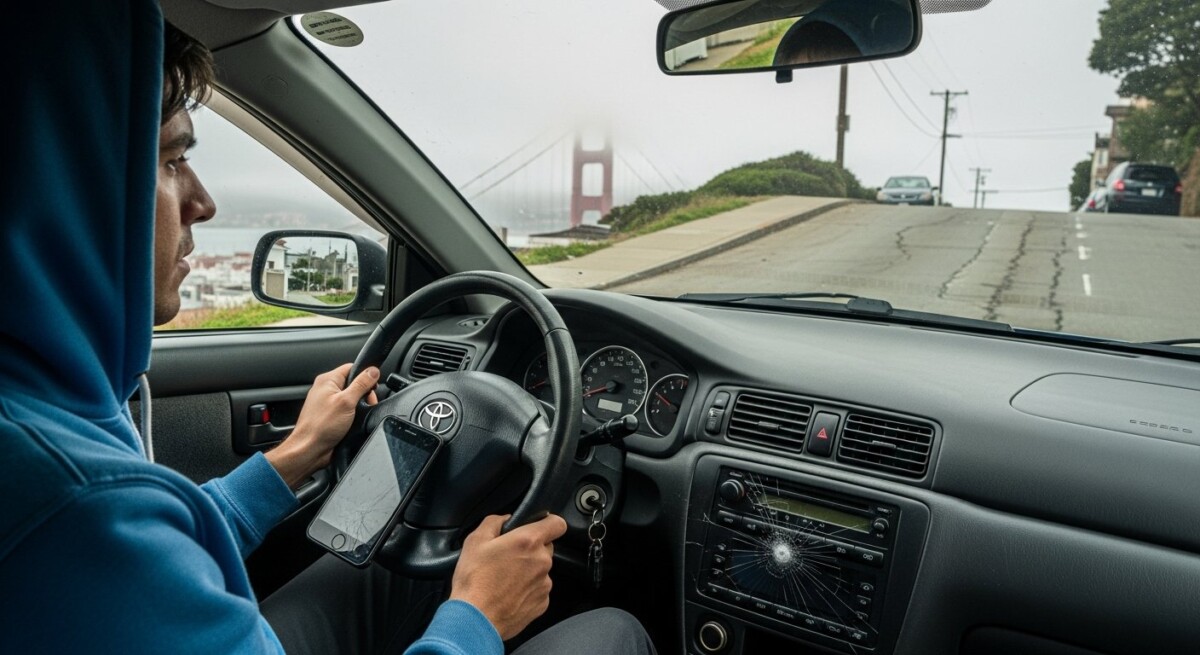
San Francisco consistently ranks among the most expensive cities in the United States for auto insurance. For students, this reality is compounded by several local factors. The city’s population density means more vehicles per square mile, which increases the likelihood of collisions and fender benders. Narrow streets, limited parking, and frequent fog create conditions that lead to claims. Additionally, San Francisco has one of the highest rates of vehicle break-ins and theft in the country. Insurers factor these risks into premiums, and students who park on the street or in shared lots often pay more.
Your personal profile also plays a major role. Young drivers under 25, including most college students, statistically file more claims than older, more experienced drivers. A limited driving history means insurers have less data to assess your risk, so they default to higher rates. If you are an out-of-state student, your previous driving record may not transfer cleanly, which can further increase your premium. However, understanding these factors is the first step to counteracting them. By knowing what drives up your rate, you can take targeted actions to lower it.
Key Discounts Every Student Should Leverage
Insurance companies offer a variety of discounts that directly benefit students. These savings can reduce your annual premium by 10 to 25 percent or more when combined. Below are the most common discounts available in the San Francisco market and how to qualify for each.
- Good Student Discount: Most major insurers provide a discount for full-time students who maintain a B average or higher (usually a 3.0 GPA or above). You need to submit a report card or transcript each year to verify eligibility.
- Driver Training Discount: Completing an approved driver education or defensive driving course can lower your rate, even if you already have a license. Many online courses are accepted and cost under $50.
- Low Mileage Discount: If you live near campus and drive less than 7,500 miles per year, you may qualify for a low-mileage or pay-per-mile policy. This is ideal for students who primarily use public transit and only drive on weekends.
- Bundling Discount: If you rent an apartment or have a parents’ homeowners policy, bundling your auto insurance with renters or homeowners coverage often yields a significant discount.
- Student Away at School Discount: If you attend school more than 100 miles from home and do not take your car, some insurers reduce your premium because the vehicle is used less frequently.
To access these discounts, you must ask your insurer directly. Many students miss out simply because they do not know the discounts exist. When you request a quote, explicitly mention your GPA, your driving habits, and any courses you have completed. The savings can be substantial. For example, a good student discount alone can save a San Francisco student between $150 and $400 per year, depending on the insurer and your policy limits.
Comparing Quotes: The Smartest Way to Save
Rates vary dramatically between insurance companies for the same driver profile. One carrier might quote you $2,200 per year while another offers $1,400 for identical coverage. This is why shopping around is essential. A dedicated comparison tool simplifies this process by showing you multiple quotes side by side. At InsuranceShopping.com, you can compare rates from top providers in San Francisco without entering your information multiple times. The platform highlights the cheapest options as well as policies with the best customer service ratings, so you can balance cost and quality.
When comparing quotes, focus on three key elements: liability limits, comprehensive and collision deductibles, and any exclusions. The cheapest policy is not always the best value if it leaves you underinsured. For students with older cars, dropping collision coverage might make sense if the vehicle’s value is low. However, for a newer or financed car, full coverage is usually required by the lender. In our guide on cheapest auto insurance 2026 San Francisco smart savings, we explain how to evaluate trade-offs between premium and out-of-pocket costs. A slightly higher deductible can lower your monthly payment, but you need to ensure you have the cash to cover that deductible if an accident occurs.
Coverage Minimums vs. Recommended Coverage in California
California law requires all drivers to carry liability insurance with minimum limits of $15,000 per person for bodily injury, $30,000 per accident for bodily injury, and $5,000 for property damage. These are the absolute minimums, but they are rarely sufficient for students in a high-cost city like San Francisco. A single accident with injuries can quickly exceed $15,000 in medical bills, leaving you personally responsible for the difference. That difference can lead to wage garnishment or lawsuits that derail your academic career.
For students, we recommend at least $50,000 per person and $100,000 per accident for bodily injury liability, along with $25,000 for property damage. This level of coverage costs only slightly more than the minimum but provides substantially more protection. Additionally, uninsured motorist coverage is crucial in San Francisco, where an estimated 15 to 20 percent of drivers lack insurance. If an uninsured driver hits you, this coverage pays for your medical expenses and vehicle repairs. For more details on selecting appropriate limits, see our best auto insurance rates 2026 in San Francisco top picks article, which breaks down coverage options for different student budgets.
Special Considerations for International and Out-of-State Students
San Francisco attracts students from around the world. International students face unique hurdles when buying auto insurance. Many U.S. insurers require a U.S. driver’s license and a credit history. If you have neither, your options narrow. Some companies, such as GEICO and State Farm, accept foreign licenses for a limited period after arrival. You may also need to obtain an International Driving Permit (IDP) as a supplement. The best approach is to call insurers directly and ask about their policies for international students. Some specialty insurers cater specifically to this demographic and may offer more flexible terms.
Out-of-state students should keep their home state registration and insurance if they plan to return during breaks. However, if you live in San Francisco for most of the year, you must register your car in California and obtain a California policy within 20 days of moving. Failing to do so can result in fines and coverage denial if you file a claim. Transferring your policy is usually straightforward, but rates may change significantly based on San Francisco’s risk profile. Before you move, get a quote from a local provider so you know what to expect. Our guide on auto insurance for students in Los Angeles save money offers transfer tips that apply equally to San Francisco, including how to maintain continuous coverage to avoid rate hikes.
Frequently Asked Questions
Can I stay on my parents’ auto insurance policy while attending school in San Francisco?
Yes, in most cases you can remain on your parents’ policy as long as you are a dependent student. If your car is registered in their name and you are listed as a driver, the policy covers you in San Francisco. However, check whether your parents’ insurer covers out-of-state use. Some policies require notification if the vehicle will be garaged in a different state for more than 30 days. If you buy your own car, you will typically need your own policy.
Does my credit score affect my auto insurance rate as a student?
California prohibits insurers from using credit scores to set auto insurance rates. This is a major advantage for students who may have limited or no credit history. Instead, insurers in California rely primarily on your driving record, years of experience, annual mileage, and location. This means you can get a competitive rate even if you have never had a credit card or loan.
What happens if I get a ticket or cause an accident as a student?
Traffic violations and at-fault accidents typically increase your premium for three to five years. In San Francisco, even a minor speeding ticket can raise your rate by 20 to 30 percent. If you receive a ticket, consider taking a defensive driving course to reduce points on your license. Some insurers offer accident forgiveness programs that prevent your first at-fault accident from raising your rate, but this usually requires being claim-free for several years first.
Is rideshare insurance necessary for students driving for Uber or Lyft?
Yes. If you drive for a rideshare company to earn extra money, your personal auto insurance policy will not cover you while you are logged into the app and waiting for a ride request. Most personal policies exclude business use. You need a rideshare endorsement or a commercial policy. Companies like GEICO and Allstate offer affordable rideshare add-ons that bridge this coverage gap. Without it, you risk being personally liable for damages during a delivery or ride.
How can I lower my insurance if I only drive on weekends?
If you primarily use public transit and only drive occasionally, look for usage-based or pay-per-mile insurance. Programs like Nationwide SmartMiles or Metromile charge a base rate plus a small fee per mile driven. This can cut your premium in half if you drive under 5,000 miles per year. You need to install a telematics device or use a smartphone app to track mileage, but the savings are often substantial for light drivers.
Finding the right auto insurance as a student in San Francisco requires research, but the effort pays off. By leveraging student discounts, comparing quotes from multiple providers, and choosing coverage that matches your actual risk, you can protect yourself financially without overspending. Start by gathering your driving record, GPA verification, and current policy details. Then use a reliable comparison tool to see your options. For personalized assistance and to explore policies tailored to your situation, reach out to our team. Call us at (833) 203-6742 to speak with a licensed advisor who can help you navigate the San Francisco market and secure the best rate for your student lifestyle.
Share This Story, Choose Your Platform!
About the Author: Theo Merrick