
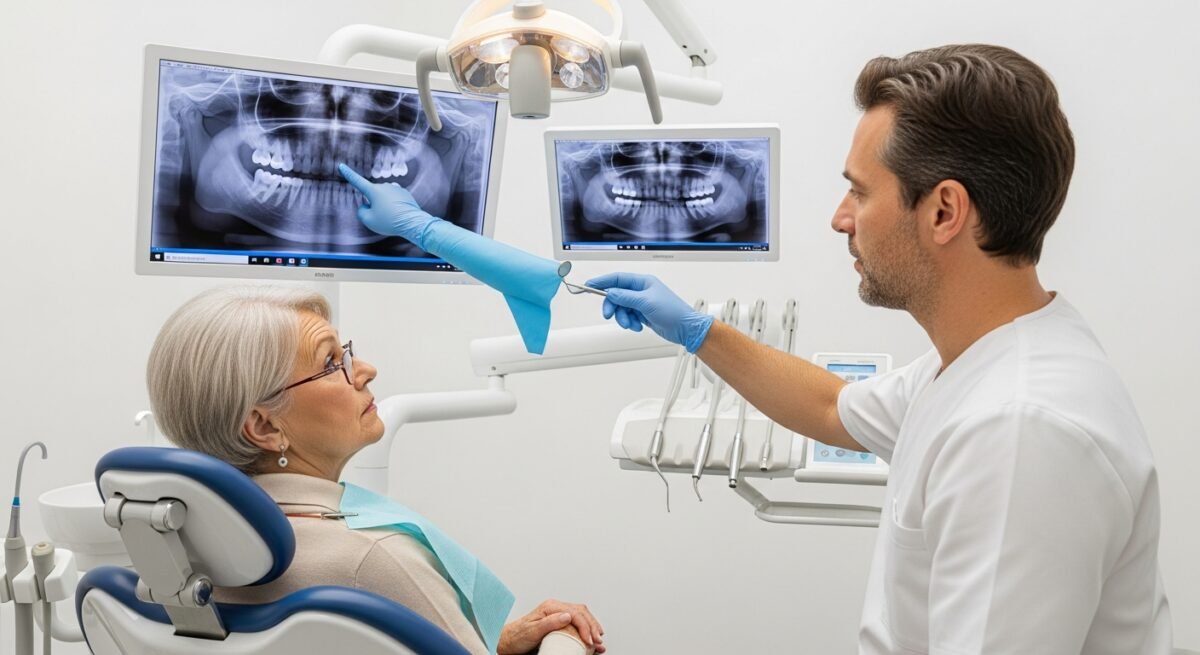
The Gap in Original Medicare: Dental Insurance Options for Seniors
Original Medicare offers little dental coverage, leaving a critical gap for seniors. Learn your options for securing affordable dental insurance to protect your health and budget.

By Maya Rodriguez
For millions of seniors, enrolling in Medicare is a significant milestone, providing essential health coverage for their later years. However, many are met with an unwelcome surprise shortly after their 65th birthday, they discover that routine dental care is not part of the deal. Original Medicare (Parts A and B) offers remarkably limited dental coverage, typically only covering procedures that are directly tied to a hospital stay or a major medical event. This leaves a critical gap for the preventive cleanings, fillings, crowns, and dentures that are vital for maintaining overall health and quality of life. Navigating the landscape of dental insurance for people on Medicare is not just about preserving a smile, it is a crucial component of managing chronic conditions, preventing serious infections, and ensuring nutritional well-being.
The Stark Reality: Original Medicare and Dental Care
Understanding what is not covered is the first step in finding a solution. Original Medicare’s stance on dental is clear and largely exclusionary. Part A, which covers inpatient hospital care, will only pay for certain dental services if they are required as part of a covered inpatient procedure. For example, if you need to have a tooth extracted before receiving radiation treatment for jaw cancer that is part of a hospital stay, Medicare may cover it. Part B, which covers outpatient services, offers similarly narrow benefits. It generally does not cover routine dental care like cleanings, fillings, tooth extractions, dentures, or dental plates. The rare exceptions involve very specific situations where a dental procedure is integral to a covered medical service, such as an oral examination before a kidney transplant or reconstruction of the jaw following an accident.
This gap is not a minor oversight. Poor oral health in seniors is directly linked to systemic issues, including an increased risk of cardiovascular disease, diabetes complications, respiratory infections, and even cognitive decline. The inability to chew properly can lead to poor nutrition, exacerbating other health problems. For seniors living on fixed incomes, the cost of even basic dental work can be prohibitive, leading many to postpone care until a minor issue becomes a painful and expensive emergency. This reality makes securing supplemental dental coverage not a luxury, but a necessary part of a comprehensive health plan.
Navigating Your Primary Pathways to Dental Coverage
Since Original Medicare falls short, beneficiaries must look to other products to build a complete safety net. There are three primary pathways to obtain dental insurance for people on Medicare, each with distinct structures, costs, and rules.
The first and most comprehensive option is a Medicare Advantage (Part C) plan. These are private health plans that replace your Original Medicare coverage, providing all your Part A and Part B benefits, and often including additional benefits like vision, hearing, and crucially, dental. The scope of dental coverage in Advantage plans varies widely. Some may offer a robust package including two cleanings per year, X-rays, fillings, and even a percentage coverage for more complex procedures like crowns or root canals. Others may offer a more limited “group” of covered services or provide a modest annual allowance, such as $1,000, which you can apply toward dental costs. It is vital to scrutinize the plan’s Summary of Benefits, paying close attention to annual maximums, waiting periods for major services, and network restrictions. If you are considering this route, our detailed guide on how to get dental insurance with Medicare through Advantage plans can help you compare options effectively.
The second pathway is a standalone dental insurance plan. These are separate policies purchased from private insurers specifically to cover dental services. They operate independently of your Medicare coverage, so you can have one regardless of whether you have Original Medicare or a Medicare Advantage plan that lacks dental (though you cannot typically enroll in both a standalone plan and an Advantage plan with dental). These plans function like traditional dental insurance: you pay a monthly premium, and the plan covers a percentage of costs, usually after a deductible. Coverage often follows a 100-80-50 structure, meaning preventive care (cleanings, exams) is covered at 100%, basic procedures (fillings, extractions) at 80%, and major procedures (crowns, bridges, dentures) at 50%, up to an annual maximum. These plans almost always have a network of dentists, and using an in-network provider significantly reduces your out-of-pocket costs.
The third option is a dental discount plan, which is not insurance but a membership program. For an annual fee, you gain access to a network of dentists who have agreed to provide services at a discounted rate. You pay the dentist directly at the time of service, but at the reduced price. There are no annual maximums, claim forms, or waiting periods, but the discounts vary, and you are responsible for 100% of the discounted cost. This can be a more affordable upfront option for predictable, basic care, but it offers less financial protection for unexpected, expensive procedures compared to insurance.
Choosing the Right Dental Plan: A Framework for Decision-Making
Selecting the best dental coverage requires a careful assessment of your personal health needs, financial situation, and preferences for care. A haphazard choice can lead to unexpected bills and inadequate coverage. Follow this structured approach to evaluate your options.
First, conduct an honest audit of your current and anticipated dental needs. Consider your oral health history, the current state of your teeth and gums, and any known issues that may require treatment. Are you someone who mainly needs twice-yearly cleanings and check-ups? Or do you have older dental work that may need replacing, such as crowns or bridges? Perhaps you are considering dentures or implants. Your anticipated needs will dictate the level of coverage required. For those with minimal needs, a plan with a strong preventive focus and low premium may suffice. For those expecting major work, a plan with a higher annual maximum and good coverage for major procedures is essential, even if the premium is higher.
Second, perform a detailed financial analysis. Look beyond the monthly premium. Key cost factors to compare include:
- Deductible: The amount you pay out-of-pocket before the plan starts to pay.
- Coinsurance/Copays: Your share of the cost for each service after the deductible.
- Annual Maximum: The total amount the plan will pay in a benefit year. This is a critical ceiling, especially for major work.
- Waiting Periods: Many standalone plans impose waiting periods (e.g., 6 months for basic care, 12 months for major procedures) before you can use certain benefits.
- Network: In-network vs. out-of-network costs. If you have a trusted dentist, verify if they are in the plan’s network.
To make an accurate comparison, estimate your annual dental costs under each plan scenario. Add the annual premium, deductible, and your estimated coinsurance for the services you expect to use. This total cost of ownership figure is more telling than the premium alone. For a deeper dive into comparing these financial structures, reviewing resources on navigating dental insurance options with Original Medicare can be exceptionally helpful.
Critical Considerations and Potential Pitfalls
As you evaluate plans, be aware of common limitations and fine print that can affect your experience and costs. A major consideration is the annual maximum benefit, which often ranges from $1,000 to $1,500 in standalone plans. A single crown can easily cost $1,500 or more, meaning you could hit your annual maximum with one procedure, leaving you responsible for all other costs that year. Some Medicare Advantage plans may have similar caps. Always check if the maximum is a “use-it-or-lose-it” annual limit or if it rolls over.
Waiting periods are another significant hurdle, primarily for standalone plans. If you need a crown soon and enroll in a plan with a 12-month waiting period for major services, you will be paying premiums for a year without receiving that benefit. Some plans may waive waiting periods if you had prior creditable coverage. Pre-existing condition clauses are less common in dental insurance than in medical insurance, but some plans may still have limitations on replacing missing teeth that were lost before the policy started.
Finally, understand the enrollment periods. For Medicare Advantage or Part D plans, you generally can only enroll or switch during specific times: the Initial Enrollment Period when you first become eligible, the Annual Election Period (October 15-December 7), or a Special Enrollment Period triggered by a qualifying life event. Standalone dental insurance plans may have more flexible enrollment, but it is best to confirm with the insurer. Missing a window could mean waiting months for coverage.
Frequently Asked Questions
Does Medicare cover dental implants? Original Medicare does not cover dental implants, as it classifies them as a dental procedure rather than a medical one. However, some Medicare Advantage plans may offer partial coverage for implants as part of their expanded benefits. You would need to check the specific plan details. Additionally, if an implant is deemed medically necessary following an accident or as part of cancer treatment, there is a slim chance Part A or B might cover a portion, but this is extremely rare and requires extensive documentation.
Can I have both a Medicare Advantage plan and a standalone dental plan? Typically, no. If your Medicare Advantage plan already includes dental benefits, a standalone dental insurer will likely not sell you a separate policy, as it would be considered duplicate coverage. However, if your Advantage plan has very limited dental benefits (e.g., a small discount only), you might be able to purchase a supplemental standalone plan. Always disclose your existing coverage when applying.
Are there any government programs that help with dental costs for seniors? State Medicaid programs may offer dental benefits for eligible low-income seniors. Benefits vary dramatically by state, from extensive coverage to emergency-only care. Some states also have assistance programs through Area Agencies on Aging or non-profit organizations that provide low-cost dental clinics or vouchers for care. It is worth investigating local resources.
What is the difference between a PPO and an HMO dental plan? In a Dental PPO (Preferred Provider Organization), you can see any dentist, but you pay significantly less if you use a dentist within the plan’s network. You usually do not need a referral to see a specialist. In a Dental HMO (Health Maintenance Organization), you must choose a primary care dentist from the network and receive all your care through them or with a referral from them. HMOs generally have lower premiums and no deductibles or annual maximums, but they offer less flexibility in choosing providers.
How do I find a plan that covers my specific needed procedure? The most reliable method is to obtain a pre-treatment estimate. Once you have a dental treatment plan from your dentist, you or your dentist can submit it to the insurance company you are considering. They will provide an estimate of what they would cover and what your out-of-pocket cost would be. This eliminates guesswork and allows for direct plan comparison based on your actual situation.
Securing adequate dental coverage is a non-negotiable aspect of holistic health management for seniors. By understanding the limitations of Original Medicare, thoroughly researching the supplemental pathways of Medicare Advantage, standalone insurance, and discount plans, and carefully analyzing costs against anticipated needs, you can make an informed decision that protects both your health and your finances. Proactive planning in this area prevents minor dental issues from escalating into medical crises and ensures that your golden years are not marred by preventable pain or expense. For ongoing updates and detailed comparisons of available plans, Read full article and similar resources dedicated to senior insurance topics are invaluable tools. Remember, investing in your oral health is an investment in your overall well-being and independence.