
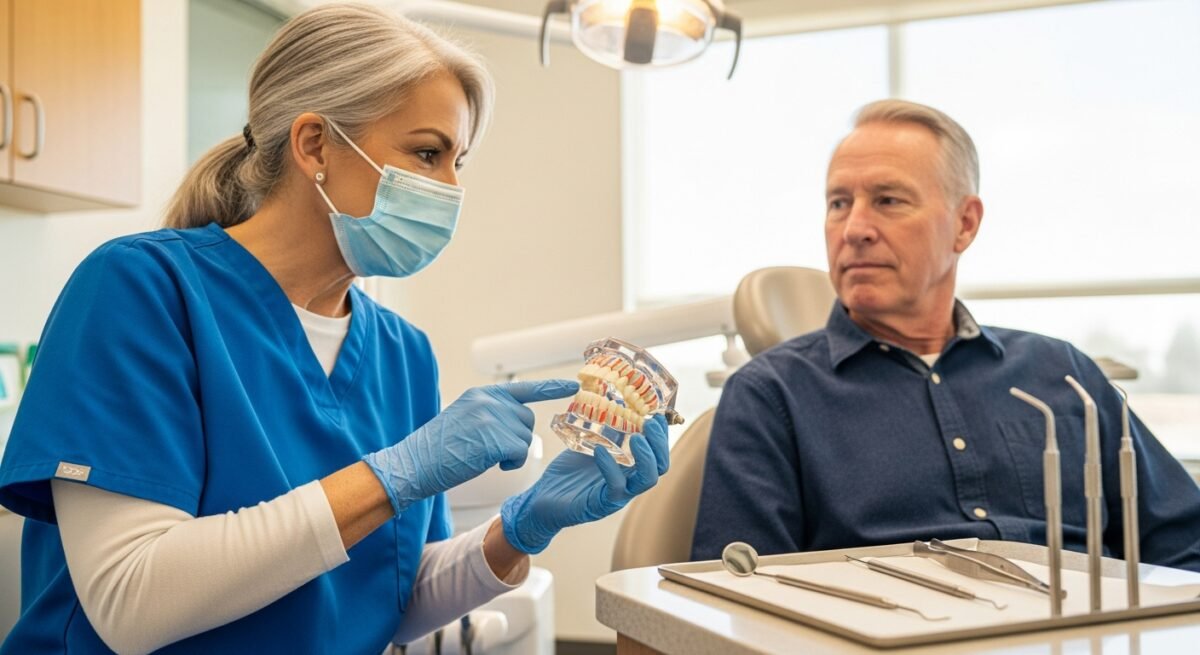
Your Guide to Dental Insurance Options on Medicare
Learn how to bridge the gap in Medicare by finding affordable dental insurance for Medicare patients. Protect your smile and your budget with the right plan.

By Lucas Reynolds
If you are enrolled in Medicare, you may have discovered a significant gap in your healthcare coverage: routine dental care. Original Medicare, the federal health insurance program for adults 65 and older and certain younger people with disabilities, provides almost no coverage for common dental procedures like cleanings, fillings, or dentures. This leaves millions of beneficiaries searching for reliable and affordable dental insurance for Medicare patients. Understanding how to bridge this gap is crucial for maintaining not only your oral health but also your overall wellness and financial security.
Why Medicare Doesn’t Cover Routine Dental Care
It is a common and costly surprise for new Medicare enrollees. When Medicare was signed into law in 1965, it was designed primarily to cover medically necessary hospital and physician services. Routine dental, vision, and hearing care were largely considered separate, preventive types of care and were excluded from the standard benefits package. Today, Original Medicare (Part A and Part B) still follows that model. It will only pay for dental services that are an integral part of a covered medical procedure. For example, Medicare Part A may cover a dental exam performed in a hospital before a heart valve replacement, or it might pay for jaw reconstruction after an accident. However, the routine care you need to prevent cavities, gum disease, and tooth loss is your financial responsibility. This structural gap makes seeking supplemental dental coverage a critical part of retirement planning.
Primary Pathways to Dental Coverage
Medicare beneficiaries have several distinct paths to secure dental insurance. The right choice depends on your budget, health needs, preferred providers, and whether you value bundled benefits or standalone plans. The three main avenues are Medicare Advantage plans, standalone dental insurance policies, and dental discount plans. Each operates differently and comes with its own set of rules, costs, and benefits. Our detailed analysis of the best dental insurance for seniors on Medicare breaks down these options to help you compare.
Medicare Advantage (Part C) Plans
Medicare Advantage plans are offered by private insurance companies approved by Medicare. They provide an alternative way to receive your Medicare Part A and Part B benefits, and they often include extra benefits not found in Original Medicare. Dental coverage is one of the most common additions. These plans can be an excellent all-in-one solution, but their dental benefits have important limitations. Typically, coverage includes preventive care like annual cleanings and X-rays, often with a $0 copay. Basic services like fillings and extractions may be covered at a percentage (e.g., 50%), and major services like crowns, bridges, or dentures might have a higher coinsurance or lower annual maximum. Crucially, you must use dentists within the plan’s network to get the highest level of coverage, and there is usually a cap on how much the plan will pay per year, often between $1,000 and $2,000.
Standalone Dental Insurance Plans
If you prefer to keep Original Medicare and a Medigap plan, or if your Medicare Advantage plan lacks sufficient dental benefits, purchasing a separate, private dental insurance policy is your next option. These plans function independently of Medicare. You pay a monthly premium, and the plan helps cover costs according to its schedule. Most plans use a 100-80-50 coverage structure: they cover 100% of preventive care, 80% of basic procedures, and 50% of major procedures, up to an annual maximum. Premiums and annual maximums vary widely. When evaluating standalone plans, consider these key factors:
- Annual Maximum: The total dollar amount the plan will pay in a benefit year. Once you exceed it, you pay 100% of costs.
- Deductible: The amount you must pay out-of-pocket before the plan begins to pay for certain services.
- Waiting Periods: Some plans impose a waiting period (e.g., 6-12 months) before you can receive coverage for major procedures.
- Network Restrictions: PPO plans offer more flexibility but higher costs for out-of-network care, while HMO plans restrict you to a specific network.
A comprehensive Medicare supplemental dental insurance guide can help you navigate these specific terms and conditions.
Dental Savings Plans
Not technically insurance, dental savings or discount plans are membership programs. You pay an annual fee to access a network of dentists who have agreed to provide services at a reduced, pre-negotiated rate. There are no annual maximums, deductibles, or claims forms. You simply pay the discounted fee directly to the dentist at the time of service. These plans can be valuable for individuals who need major work done immediately, as there are typically no waiting periods. However, the discounts are percentage-based, so you still carry the full financial responsibility, just at a lower price point. It is essential to verify that your preferred dentist participates before enrolling.
Comparing Costs and Coverage Tiers
Making an informed decision requires a clear understanding of what you are buying. Coverage generally falls into three tiers: preventive, basic, and major. Preventive care includes exams, cleanings, and X-rays, and is the most commonly covered service. Basic procedures encompass fillings, simple extractions, and periodontal cleanings. Major procedures include crowns, bridges, dentures, implants, and root canals. A robust plan will cover a portion of all three tiers. When comparing, look beyond the monthly premium. Calculate the total potential annual cost: premium plus deductible plus your expected out-of-pocket costs for needed services, considering the plan’s coinsurance and annual maximum. A plan with a low premium but a $1,000 annual maximum may leave you with significant bills if you need a crown and a bridge in the same year.
Special Considerations for Seniors
Seniors often have unique dental health needs that influence the type of coverage they should seek. Years of wear and tear, medications that cause dry mouth (a major risk factor for decay), and conditions like arthritis that make brushing difficult can lead to complex dental issues. Therefore, a plan that only covers cleanings may be insufficient. Look for plans that offer meaningful coverage for restorative work and prosthodontics (dentures, implants). If you anticipate needing dentures or implants, check the plan’s provisions carefully, as these are often the most restricted services. Furthermore, consider plans tailored for seniors, as they might include benefits like discounts on hearing aids or eyewear.
For those seeking the most affordable pathways, it is worth exploring all available options. You can find strategies for managing costs in our resource on tips for seniors to save on dental insurance. Additionally, for more in-depth analysis and personalized plan comparisons, Read full article on our partner site.
Enrollment Periods and Timing
Your ability to enroll in dental coverage depends on the type of plan. For Medicare Advantage plans with dental, you can generally join or switch during the Annual Election Period (October 15 to December 7) or the Medicare Advantage Open Enrollment Period (January 1 to March 31). Standalone dental insurance and discount plans are typically purchased on the private market and are not tied to Medicare’s calendar. You can usually enroll at any time, but underwriting may apply. If you are leaving employer coverage, you may have a special enrollment period for a standalone plan. Do not delay seeking coverage until you have a dental emergency, as waiting periods may leave you uncovered for the very procedures you need.
Frequently Asked Questions
Does any part of Medicare pay for dentures? Original Medicare does not cover dentures or the routine dental care needed for dentures. Some Medicare Advantage plans may offer partial coverage for dentures, but they often have annual maximums that may not cover the full cost. Standalone dental plans may cover a percentage of the cost, subject to waiting periods and annual limits.
Can I use my dental insurance immediately? It depends on the plan. Medicare Advantage plans often allow immediate use of preventive benefits. Standalone insurance plans frequently have no waiting period for preventive care but may impose 6-12 month waits for basic procedures and 12-24 month waits for major work like crowns or dentures. Dental discount plans usually have no waiting periods.
What is the average cost of dental insurance for a Medicare beneficiary? Costs vary dramatically. Premiums for standalone plans can range from $20 to $80 per month. The dental portion of a Medicare Advantage plan is bundled into the overall plan premium, which may be as low as $0 (though you still pay your Part B premium). Always factor in deductibles, copays, and annual maximums to understand the true potential cost.
Are there any free or low-cost dental care options for seniors? Yes, alternatives exist. Many community health centers offer dental services on a sliding fee scale based on income. Dental schools often provide low-cost care from supervised students. Some states offer limited dental benefits through Medicaid for eligible low-income seniors. Local non-profit organizations may also host occasional free dental clinics.
Is it better to get dental through Medicare Advantage or a separate plan? There is no one-size-fits-all answer. Medicare Advantage can be convenient and cost-effective if the network and annual maximum meet your needs. A separate plan offers more choice and stability (you can change your Medicare Advantage plan annually, but your dental needs may require longer-term care continuity). Compare the specific benefits, networks, and total costs of each option available in your area.
Securing dental insurance is a vital, often overlooked step in comprehensive retirement health planning. By carefully evaluating your personal health needs, budget, and the specific details of available plans, you can find a solution that protects your smile and your finances. Proactive research and enrollment ensure you are not left facing unexpected and substantial dental bills, allowing you to maintain your oral health and overall quality of life for years to come.