
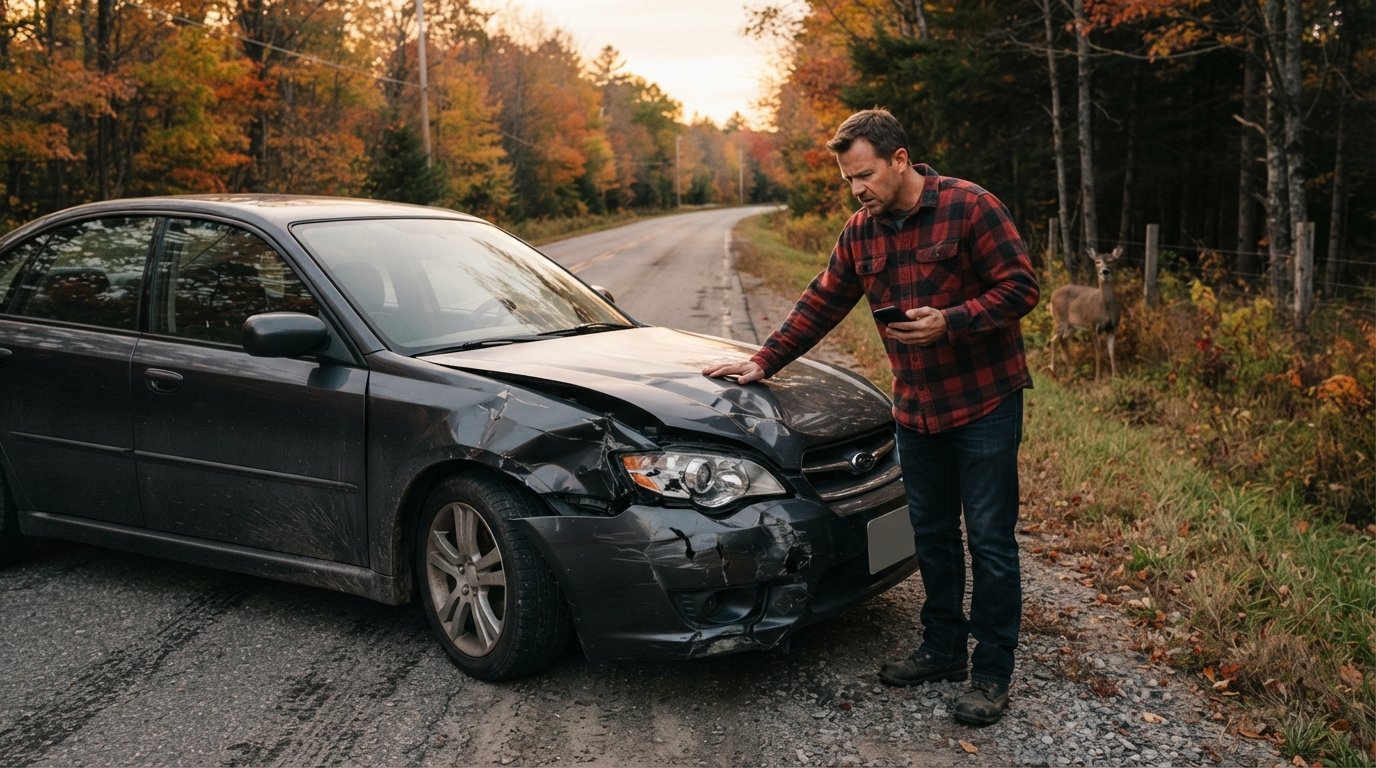
Does Car Insurance Cover a Deer Hit? Comprehensive Guide
Does car insurance cover a deer hit? Comprehensive coverage usually pays, minus your deductible. Call (833)-214-6397 for expert guidance on your claim.

A deer darting into your path is one of the most unpredictable and frightening hazards on the road. In the split second before impact, your mind races: will my insurance pay for this? The answer is often yes, but it depends entirely on the type of coverage you carry. Understanding how auto insurance handles animal collisions can save you thousands of dollars and a great deal of stress. This guide explains the nuances of deer-related claims, from which policy part pays to how your premium might be affected.
Why Comprehensive Coverage, Not Collision, Pays for a Deer Hit
If you have comprehensive coverage on your auto policy, you are likely covered for a deer hit. Comprehensive coverage is designed to protect your vehicle from damage caused by events other than a collision with another vehicle or object. This includes theft, fire, vandalism, natural disasters, and, importantly, damage from animals. When you hit a deer, it is considered an animal strike, which falls under comprehensive coverage. Collision coverage, on the other hand, typically pays for damage when your car hits another vehicle or a stationary object like a tree or guardrail. Since a deer is a moving animal, collision coverage generally does not apply.
This distinction is crucial because many drivers assume that any damage while driving is covered by collision. Without comprehensive coverage, you may have no coverage for a deer hit, even if you carry collision. That is why it is essential to review your policy declarations page and understand what each coverage does. If you are unsure, your insurance agent can clarify. For new drivers or those with limited credit history, understanding these coverage details is especially important when shopping for a policy, as discussed in our guide on best car insurance for new drivers with no credit history.
It is also worth noting that some states may have specific regulations regarding animal strikes. However, the general rule remains: comprehensive coverage is the key. If you do not have comprehensive coverage, you might still have coverage if the deer hit is deemed the fault of another driver, but that is rare. In most cases, a deer hit is considered a no-fault incident under comprehensive, meaning your own policy pays regardless of who was driving.
Deductible Impact and How It Affects Your Payout
Even if you have comprehensive coverage, you will need to pay your deductible before your insurance kicks in. The deductible is the amount you agree to pay out of pocket for a covered claim. For example, if your comprehensive deductible is $500 and the damage to your car is $2,000, you will pay $500 and your insurer will cover the remaining $1,500, minus any depreciation or betterment considerations. The higher your deductible, the lower your premium, but the more you pay when you file a claim.
When considering a deer hit, evaluate whether filing a claim makes financial sense. If the damage is only slightly more than your deductible, you might be better off paying out of pocket to avoid a potential premium increase. However, if the damage is significant, filing a claim is likely worthwhile. Here are a few points to consider:
- Check your comprehensive deductible amount before you need to file a claim.
- Get an estimate for repairs to compare with your deductible.
- Consider the long-term impact on your premium versus the immediate payout.
- Remember that comprehensive claims are often viewed as less risky than collision claims.
Additionally, some policies offer a disappearing deductible or a deductible that reduces over time if you remain claim-free. It is worth asking your insurer about such features. For those comparing policies, using a resource like QuoteComparison can help you find the best combination of premium and deductible for your needs.
What to Document at the Scene for the Claim
If you hit a deer, your safety is the top priority. Move your vehicle to a safe location if possible, turn on your hazard lights, and call the police. Once you are safe, document the scene thoroughly. This documentation will be critical for your insurance claim. Start by taking photos of the damage to your car from multiple angles, including close-ups and wide shots. Also, photograph the deer and the surrounding area, including road signs or landmarks that indicate the location. If there are any witnesses, collect their contact information.
Next, file a police report. Many states require you to report a deer-vehicle collision, especially if there is significant damage or injury. A police report provides an official record of the incident, which your insurer will likely request. Exchange information with any other drivers involved, though in a single-vehicle deer hit, there may be none. Call your insurance company as soon as possible to report the claim. They will guide you through the next steps, which may include having an adjuster inspect the damage.
Here is a quick checklist of what to document:
- Photos of all damage to your vehicle.
- Photos of the deer and the scene.
- Contact details of witnesses.
- Police report number and officer name.
- Notes on weather and road conditions.
Having this information ready will streamline the claims process and help ensure you receive the full benefits you are entitled to under your policy.
How a Deer Hit May or May Not Affect Future Rates
One common concern is whether filing a deer hit claim will increase your auto insurance premium. The good news is that comprehensive claims, including animal strikes, are often treated differently from collision or at-fault accidents. Many insurers do not surcharge your policy for a comprehensive claim, especially if it is your first. However, policies vary, and some insurers may consider the frequency of claims. If you have multiple comprehensive claims in a short period, your premium could rise.
It is also important to understand that a deer hit is typically considered a not-at-fault incident. This means it should not count against you in the same way an accident where you were driving recklessly would. Some states even prohibit insurers from increasing premiums for not-at-fault claims. Nevertheless, it is wise to ask your insurer about their specific policy regarding comprehensive claims and premium adjustments. If you are considering switching insurers, a claim-free history with comprehensive coverage can be a positive factor.
For those who are concerned about rate increases, weighing the cost of repairs against the potential premium hike is a smart move. In many cases, the financial relief from the claim outweighs any modest increase. Additionally, shopping around for auto insurance quotes periodically can help you find a better rate, even after a claim.
State Variations in Reporting Requirements
Reporting requirements for deer-vehicle collisions vary by state. In some states, you must report any accident involving an animal to the police, especially if the damage exceeds a certain dollar amount or if there are injuries. In others, reporting is only required if the deer is blocking traffic or if another vehicle is involved. Failure to report could result in a fine or complicate your insurance claim. Therefore, it is essential to familiarize yourself with your state's laws.
For example, in Pennsylvania, drivers must report a deer collision to the police if there is damage to the vehicle or if the deer is injured and needs to be dispatched. In California, you must report a collision involving an animal if the damage is over $1,000 or if anyone is injured. These are just a few examples; always check your state's Department of Motor Vehicles or insurance department website for accurate information. Your insurance agent can also provide guidance. When in doubt, it is safer to report the incident.
Understanding these state-specific rules can prevent legal issues and ensure your claim is processed smoothly. It also helps you comply with local regulations, which is part of being a responsible driver.
Frequently Asked Questions About Deer Hits and Insurance
Does car insurance cover a deer hit if I only have liability?
No, liability coverage only pays for damage you cause to others. It does not cover damage to your own vehicle, including from a deer hit. You need comprehensive coverage to be covered for animal strikes.
Will my premium go up if I file a deer hit claim?
It depends on your insurer and your claims history. Many insurers do not increase premiums for a first comprehensive claim, but it is best to ask your agent directly.
What if the deer is still alive and causes further damage?
Your comprehensive coverage should still apply. Do not approach an injured deer; call animal control or the police for assistance.
Is a deer hit covered under collision or comprehensive?
It is almost always covered under comprehensive coverage, as it is considered an animal strike, not a collision with another vehicle.
These answers should help you navigate the immediate questions that arise after a deer encounter. Always refer to your specific policy for details.
In summary, a deer hit is typically covered by comprehensive insurance, subject to your deductible. Documenting the incident thoroughly and understanding your state's reporting rules will make the claims process smoother. While a claim may not always raise your rates, it is wise to consider the financial trade-offs. For personalized advice and to compare auto insurance options, consider reaching out to InsuranceShopping.com's network of licensed agents. They can help you find a policy that fits your needs and budget.