
Umbrella Policy for Rideshare Drivers: Close the Liability Gap
Close the rideshare liability gap with an umbrella policy that works alongside platform coverage. Call (833)-214-6397 for expert guidance today.

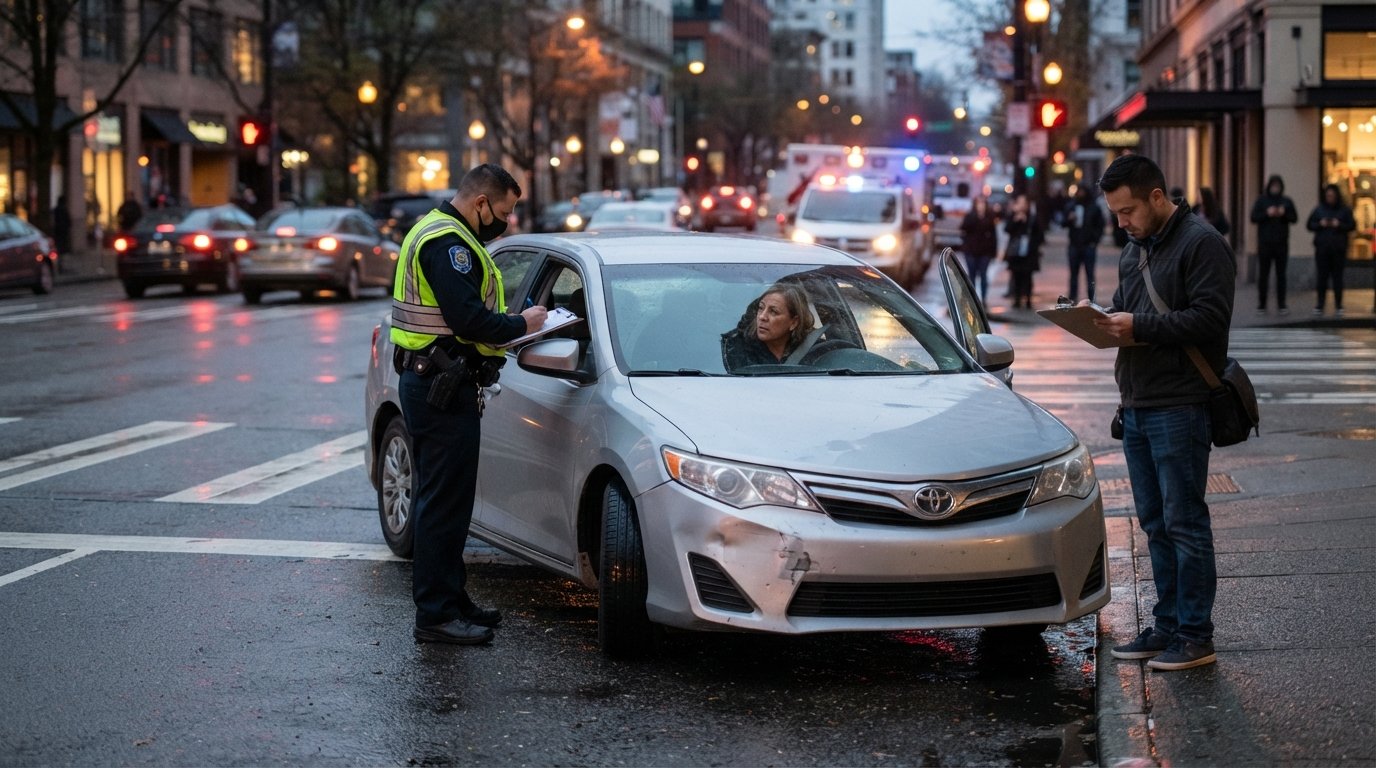
You are sitting at a red light with a passenger in the back seat when another driver runs the light and clips your front bumper. Everyone is okay, but the police report lists you as the at-fault driver because of how the intersection cameras captured the moment. Your personal auto policy denies the claim because you were driving for hire. The platform's commercial coverage steps in, but its liability limit is lower than you expected. The injured passenger's medical bills start piling up. This is the exact scenario where an umbrella policy for rideshare drivers liability gap becomes more than a footnote in an insurance guide. It becomes the difference between a manageable claim and a financial catastrophe. Understanding how personal auto policies, platform coverage, and umbrella policies interact is essential for every Uber, Lyft, DoorDash, and Instacart driver who wants to protect their income and assets.
How Rideshare Platform Coverage Works in Three Periods
Rideshare companies like Uber and Lyft divide every trip into three distinct coverage periods, and your protection changes dramatically as you move from one period to the next. Understanding these periods is the foundation for identifying where gaps exist and why an umbrella policy may be necessary. The periods are defined by the app's status: whether it is off, on and waiting for a request, or on with a passenger in the vehicle.
During Period 1, the app is open and you are waiting for a ride request. Platform liability coverage is typically limited to third-party liability, and it often sits at or near state minimums. For example, many platforms provide $50,000 per person and $100,000 per accident in bodily injury liability, plus $25,000 in property damage liability during this waiting phase. Your personal auto policy may still apply during Period 1, but only if it does not exclude commercial use. Many personal policies contain a rideshare exclusion that removes coverage the moment you log into a platform app, even before you accept a trip.
During Period 2, you have accepted a ride request and are on your way to pick up the passenger. Platform coverage increases substantially during this period. Uber and Lyft commonly provide $1 million in third-party liability coverage, uninsured and underinsured motorist coverage, and contingent comprehensive and collision coverage. However, this coverage is contingent, meaning it may only pay after your personal policy pays or denies the claim. The contingent nature creates confusion and delays, and it does not eliminate the need for your own coverage.
During Period 3, the passenger is in the vehicle and the trip is underway. Platform coverage remains at the higher $1 million liability level. This is the period where most drivers feel safest, but gaps still exist. Platform coverage may not include coverage for your own injuries, lost wages, or damage to your vehicle if you carry only liability insurance. It also may not cover punitive damages or claims that exceed the $1 million limit. For a deeper look at how these periods interact with personal policies, see our guide on rideshare insurance coverage gaps for Uber and Lyft drivers.
Where Personal Auto Policies Exclude Commercial Use
Personal auto policies are priced for personal use, and insurers calculate risk based on commuting, errands, and occasional road trips. When you start driving for a rideshare platform, you introduce a commercial exposure that the policy was never designed to cover. Most personal auto policies contain a business or commercial use exclusion that applies when the vehicle is used to carry persons or property for a fee. This exclusion can apply even during Period 1, when the app is on but no passenger is in the car.
The exclusion language varies by insurer and state, but the effect is consistent: if you are logged into a rideshare app and get into an accident, your personal auto insurer may deny the claim entirely. That denial can leave you without liability coverage, without collision coverage, and without any defense if you are sued. Some insurers offer a rideshare endorsement that adds coverage during Periods 1, 2, and 3, but the endorsement is not available in every state and does not always provide the same limits as a commercial policy.
Even if your personal policy does not contain a rideshare exclusion, it may have limits that are too low for commercial exposure. State minimum liability limits are often $25,000 per person and $50,000 per accident, which can be exhausted by a single emergency room visit. If you are at fault in an accident with a passenger in your car, the passenger may sue you personally for medical bills, lost wages, and pain and suffering. Without adequate liability coverage, your personal assets become the target.
How an Umbrella Policy May or May Not Respond
An umbrella policy provides excess liability coverage above the limits of your underlying auto, home, or commercial policies. It is designed to respond when a claim exceeds the underlying limits, and it can also fill certain gaps that the underlying policies do not cover. For rideshare drivers, the critical question is whether the umbrella policy will respond to a claim that arises from commercial use of a personal vehicle. The answer depends on the umbrella policy's terms, the underlying policies it sits above, and whether the insurer considers rideshare driving a covered exposure.
Most personal umbrella policies require underlying auto liability limits of at least $250,000 per person and $500,000 per accident, and they may require a commercial auto policy if the vehicle is used for business purposes. If your underlying auto policy excludes rideshare use, the umbrella policy may deny the claim because there is no valid underlying coverage. Some umbrella insurers specifically exclude liability arising from the business use of an auto, including carrying persons for a fee. Others may cover rideshare driving if the underlying policy includes a rideshare endorsement and meets certain requirements.
The key takeaway is that an umbrella policy is not a substitute for a commercial rideshare endorsement or a commercial auto policy. It is an additional layer of protection that only works when the underlying coverage is in place and the policy language allows it. Before purchasing an umbrella policy, drivers should ask the insurer directly whether rideshare driving is covered, whether a rideshare endorsement is required, and whether the policy will respond during all three platform periods. The answers should be documented in writing to avoid surprises at claim time.
For drivers who want to compare umbrella and commercial policy options, resources like QuoteComparison can help you review quotes from multiple carriers and understand how different policies treat rideshare exposure. Comparing policies side by side is the most reliable way to identify which umbrella policy will actually close the liability gap.
Questions to Ask Before Accepting Passengers
Before you accept your first passenger or delivery request, you should have clear answers to a set of coverage questions. The answers will determine whether you need a rideshare endorsement, a commercial auto policy, an umbrella policy, or a combination of all three. The following questions are a practical checklist that every driver should review with a licensed agent.
- Does my personal auto policy exclude rideshare or delivery use, and when does the exclusion apply?
- Does my insurer offer a rideshare endorsement, and what limits does it provide during each platform period?
- What are the platform's liability limits during Period 1, Period 2, and Period 3, and do they meet my state's requirements?
- Does my umbrella policy cover liability arising from rideshare or delivery driving, and what underlying limits does it require?
- Does my policy cover damage to my own vehicle, or do I need comprehensive and collision coverage with a rideshare endorsement?
These questions matter because the consequences of a gap are not theoretical. A single at-fault accident with a passenger can result in a lawsuit that exceeds state minimum limits, and a personal umbrella policy that excludes business use will not help. Drivers who document their coverage in advance are in a much stronger position to negotiate with insurers and protect their assets if a claim occurs.
Shopping Commercial Rideshare Endorsements and Umbrella Policies
Shopping for rideshare coverage starts with understanding what your personal policy already includes and what it excludes. Many major insurers now offer rideshare endorsements that extend liability, collision, and comprehensive coverage during all three platform periods. These endorsements are often cheaper than a separate commercial auto policy, but they may not provide the same limits or the same scope of coverage. Drivers should compare the endorsement's limits to the platform's coverage and to their own asset exposure.
If you have significant assets, an umbrella policy can provide an additional layer of liability protection, but it must be paired with underlying coverage that actually responds to rideshare claims. A common strategy is to purchase a personal auto policy with a rideshare endorsement, then add an umbrella policy that explicitly covers rideshare driving and requires the endorsement as underlying coverage. This combination provides liability limits that can exceed the platform's $1 million cap and protects personal assets from excess claims.
Drivers should also consider commercial auto policies if they drive full time or have a high-value vehicle. Commercial policies are designed for business use and typically provide higher limits, broader coverage, and fewer exclusions than personal policies with endorsements. The cost is higher, but the coverage is more reliable. For part-time drivers, a rideshare endorsement plus an umbrella policy may be sufficient, provided the umbrella policy language is clear.
For drivers who want to compare auto insurance quotes and explore rideshare coverage options, InsuranceShopping.com offers educational guides and comparison tools that connect consumers with licensed insurance agents. The site does not issue or bind policies, but it can help you understand the options and find providers who specialize in rideshare coverage.
Building a Coverage Stack That Closes the Gap
A coverage stack is the combination of policies that work together to protect you at every level. For rideshare drivers, a well-designed stack includes a personal auto policy with a rideshare endorsement, a commercial auto policy or platform coverage during active trips, and an umbrella policy that explicitly covers rideshare liability. The stack should be reviewed annually and whenever you change platforms, vehicles, or states.
The first layer is the personal auto policy. It should include a rideshare endorsement that applies during Period 1 and provides liability, collision, and comprehensive coverage. The second layer is the platform's commercial coverage, which applies during Periods 2 and 3. The third layer is the umbrella policy, which sits above the personal and commercial policies and provides excess liability coverage. The umbrella policy should be written to cover rideshare driving and should require the rideshare endorsement as underlying coverage.
Drivers should also consider uninsured and underinsured motorist coverage, medical payments coverage, and personal injury protection if available in their state. These coverages protect the driver and passengers regardless of fault and can fill gaps that liability coverage does not address. The goal is to create a seamless layer of protection that responds to claims during every period of platform use.
Documenting the stack is important. Drivers should keep copies of their policies, endorsements, and umbrella policy declarations in the vehicle and review them with their agent. If a claim occurs, the documentation will help the insurer understand which policy applies and prevent delays or denials. Drivers who take the time to build and document their coverage stack are in a much better position to protect their income and assets.
Rideshare driving offers flexibility and income, but it also introduces liability exposure that personal auto policies were not designed to cover. An umbrella policy for rideshare drivers liability gap can be a valuable tool, but only when it is paired with the right underlying coverage and policy language. Drivers who understand the three platform periods, the exclusions in their personal policies, and the questions to ask before accepting passengers are better equipped to close the gap and protect themselves, their passengers, and their financial future.