
Flood Insurance Waiting Period: When Coverage Starts
Understand the flood insurance waiting period before coverage starts and how to time your policy right. Call (833)-214-6397 for expert help.

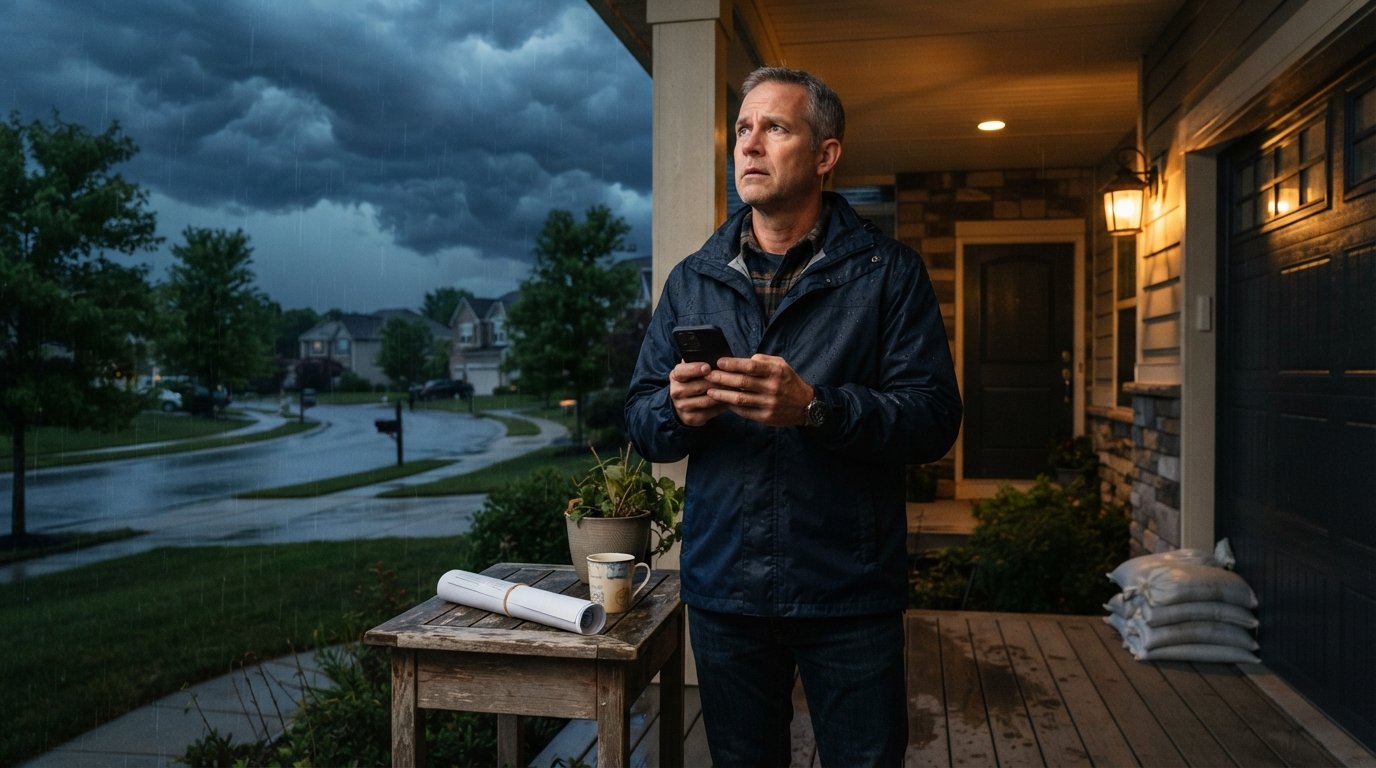
You have just signed a flood insurance policy, the premium is paid, and you feel a sense of relief. Then a tropical storm forms offshore and you wonder: does my coverage start today, or does it start later? The answer matters far more than most homeowners realize, because flood insurance does not switch on the moment you pay. A flood insurance waiting period before coverage starts is built into nearly every policy, and that delay can leave you exposed during the exact storm you are trying to prepare for. Understanding how the waiting period works, when exceptions apply, and how it interacts with your mortgage lender and homeowners policy can mean the difference between a paid claim and a financial loss you absorb alone.
Why Flood Policies Include a Waiting Period
Insurance works by pooling risk, and insurers need protection against a practice called adverse selection. Without a waiting period, a homeowner could watch a hurricane forecast, buy flood coverage hours before landfall, and then file a claim days later. That behavior would drive losses far beyond what premiums could support, and it would ultimately raise costs for everyone. The waiting period exists to ensure that people buy flood coverage because they need protection over the long term, not because a specific storm is approaching. It also gives insurers time to process the application, confirm eligibility, and place the policy in force.
For policies issued through the National Flood Insurance Program (NFIP), the standard delay is 30 calendar days after the application and premium payment are received. Private flood insurers commonly mirror that 30-day window, though some set their own terms. The key point for consumers is that the clock usually begins when the insurer receives both your completed application and your payment, not when you first request a quote or speak with an agent. If either piece is missing or incomplete, the waiting period may not start until the insurer has everything it needs.
The Standard 30-Day Rule and How the Clock Starts
Thirty days can feel abstract until you map it onto a calendar. Suppose you submit a flood application and pay the premium on March 1. In most cases, coverage begins on March 31. If you submit the application on March 1 but the payment arrives on March 10, the waiting period typically starts on March 10, pushing the effective date to April 9. This is why documentation and payment timing deserve as much attention as the premium itself. A missing signature, an unanswered question about the property, or a payment that is still processing can all delay the start of coverage without you realizing it.
Here is a practical sequence to make sure the clock starts on time:
- Complete the flood application fully, including property details, occupancy, and prior flood loss history.
- Pay the full premium or the required first installment using the method the insurer accepts.
- Ask the insurer or agent to confirm the date the application and payment were received.
- Request written confirmation of the effective date and keep it with your policy documents.
- Mark the effective date on your calendar and avoid assuming coverage is active before then.
That simple confirmation step resolves most waiting-period confusion. Agents and carriers can tell you precisely when the clock started, and if there is a discrepancy, you want to catch it before a storm rather than after one.
Common Exceptions to the Flood Insurance Waiting Period
Not every policy waits 30 days. Several situations shorten or waive the waiting period, and knowing them can help you avoid unnecessary gaps in protection. The most common exceptions involve loan closings, policy changes, and certain map revisions. If you are buying a home and flood coverage is required by your lender, the waiting period is typically waived so that coverage can take effect at closing. The same logic applies when you close on a loan and the lender requires flood insurance as a condition of the mortgage. In those cases, the policy should be effective on the closing date, provided the application and payment are handled correctly.
Other exceptions include:
- Certain map changes or remappings where a property is newly included in a high-risk zone and coverage is required.
- Replacement policies in specific circumstances, such as when an existing policy is being rewritten without a lapse.
- Some private flood insurers that offer shorter waiting periods or waive the delay for lender-required coverage.
- Certain condominium or commercial situations where the policy is tied to a closing or required coverage date.
Exceptions are not automatic. You generally need to document the closing date or the triggering event and make sure the insurer applies the waiver correctly. If you are purchasing a home, tell your agent about the closing schedule at the outset and ask for written confirmation that coverage will be effective on that date. Do not assume the waiver will happen on its own.
Lender-Required Flood Coverage vs. Homeowners Insurance
One of the most persistent misconceptions in home insurance is that a standard homeowners policy covers flooding. It does not. Homeowners insurance typically covers water damage from events like a burst pipe or a sudden appliance failure, but it excludes surface water, storm surge, and rising water from outside the home. That gap is exactly why lenders require separate flood coverage when a property sits in a high-risk flood zone. If you want a detailed breakdown of what each policy handles, our guide on flood insurance versus homeowners insurance coverage gaps explains the split in plain language.
Lender-required flood coverage usually needs to be in place at closing, which is why the waiting-period waiver for closings matters so much. If the coverage is not effective on the closing date, the lender may delay the loan or force-place coverage at a higher cost. Force-placed policies protect the lender, not you, and they rarely cover your personal belongings. Buying your own flood policy before closing keeps you in control of the coverage terms and the price.
It also helps to shop flood and homeowners coverage together. Bundling your research does not always produce a discount, but it gives you a clearer picture of your total property insurance cost and prevents gaps. A quote comparison service can show you how different carriers handle flood coverage alongside standard homeowners protection, and you can review options side by side before you commit.
What Flood Policies Typically Cover and Exclude
Understanding the waiting period is only half the battle. You also need to know what the policy will actually pay for once it takes effect. NFIP policies generally cover the building structure and, separately, personal contents, up to specific limits. Building coverage typically includes the foundation, electrical and plumbing systems, HVAC equipment, and built-in appliances. Contents coverage generally includes furniture, clothing, electronics, and other movable belongings, subject to policy limits. There are also important exclusions that surprise many homeowners.
Typical exclusions include:
- Damage from earth movement, including sinkholes and landslides, even if triggered by flooding.
- Moisture, mildew, or mold damage that could have been avoided by reasonable maintenance.
- Belongings kept in a basement, which are often excluded or limited.
- Currency, precious metals, and valuable papers, which usually have strict limits.
- Outdoor property such as trees, plants, and fences.
Private flood policies may offer broader coverage, higher limits, or replacement cost options, but they also vary widely. Read the exclusions section before you buy, and ask whether your policy pays replacement cost or actual cash value. The difference can be substantial after a major flood, and it is far easier to address before the waiting period ends than after a claim is filed.
Why Buying Before a Named Storm Matters
Flood insurers generally will not write new coverage once a named storm is approaching, and even if they do, the 30-day waiting period means a policy purchased days before landfall will not be in force when the storm arrives. This is the practical reason to buy flood insurance well before hurricane season, not during it. In many parts of the country, hurricane season runs from June through November, and the risk of a named storm forming early in the season is real. Buying in spring or even earlier ensures the waiting period has expired long before the first forecast cone appears.
There is also a financial reason to act early. Flood insurance rates can change, and waiting until a storm is on the radar often means paying more for less flexibility. When demand spikes, carriers may tighten underwriting or stop writing new policies altogether. Homeowners who buy during calm periods have more choices, more time to compare quotes, and a better chance of securing the coverage terms they want.
If you are comparing property insurance options, it helps to see flood coverage alongside your other policies. A resource like QuoteComparison can help you understand how different coverage types fit together and what questions to ask before you buy. The goal is not just to check a box for your lender but to build a property insurance plan that holds up when you actually need it.
How to Get Flood Quotes Alongside Homeowners Quotes
The most efficient way to handle the waiting period is to start your flood quote at the same time you shop homeowners insurance. That way, you can align effective dates, avoid gaps, and confirm whether any closing-related waiver applies. Start by gathering the basics: your property address, flood zone, occupancy type, construction details, and any prior flood claims. Then request quotes from multiple carriers, including NFIP policies and private flood options, so you can compare coverage limits, deductibles, and waiting-period terms.
A simple framework can keep the process organized:
- Confirm your flood zone and whether your lender requires coverage.
- Request flood quotes at the same time as homeowners quotes.
- Ask each carrier when the waiting period starts and whether any exceptions apply.
- Compare replacement cost versus actual cash value options.
- Get written confirmation of the effective date before you pay.
Once you have quotes in hand, review the exclusions and limits carefully. A low premium is not a bargain if the policy excludes the belongings you most need to protect or pays actual cash value on a roof that will cost far more to replace. The waiting period gives you time to make these decisions deliberately, so use it.
Putting It All Together
The flood insurance waiting period before coverage starts is not a technicality to work around. It is a built-in feature that shapes when your protection actually begins, and it rewards homeowners who plan ahead. Whether you are buying a home, refinancing, or simply reviewing your property insurance, confirm the effective date in writing, ask about closing-related waivers, and start your flood quote early enough that the 30-day clock has expired before the next storm season. A few minutes of planning today can prevent a very expensive surprise later.