
How to File a Homeowners Claim Against Someone Else's Policy
Filing a claim against another party's homeowners policy can preserve your own claims history. Call (833)-214-6397 to review your coverage options before you file.

By Ethan Carter
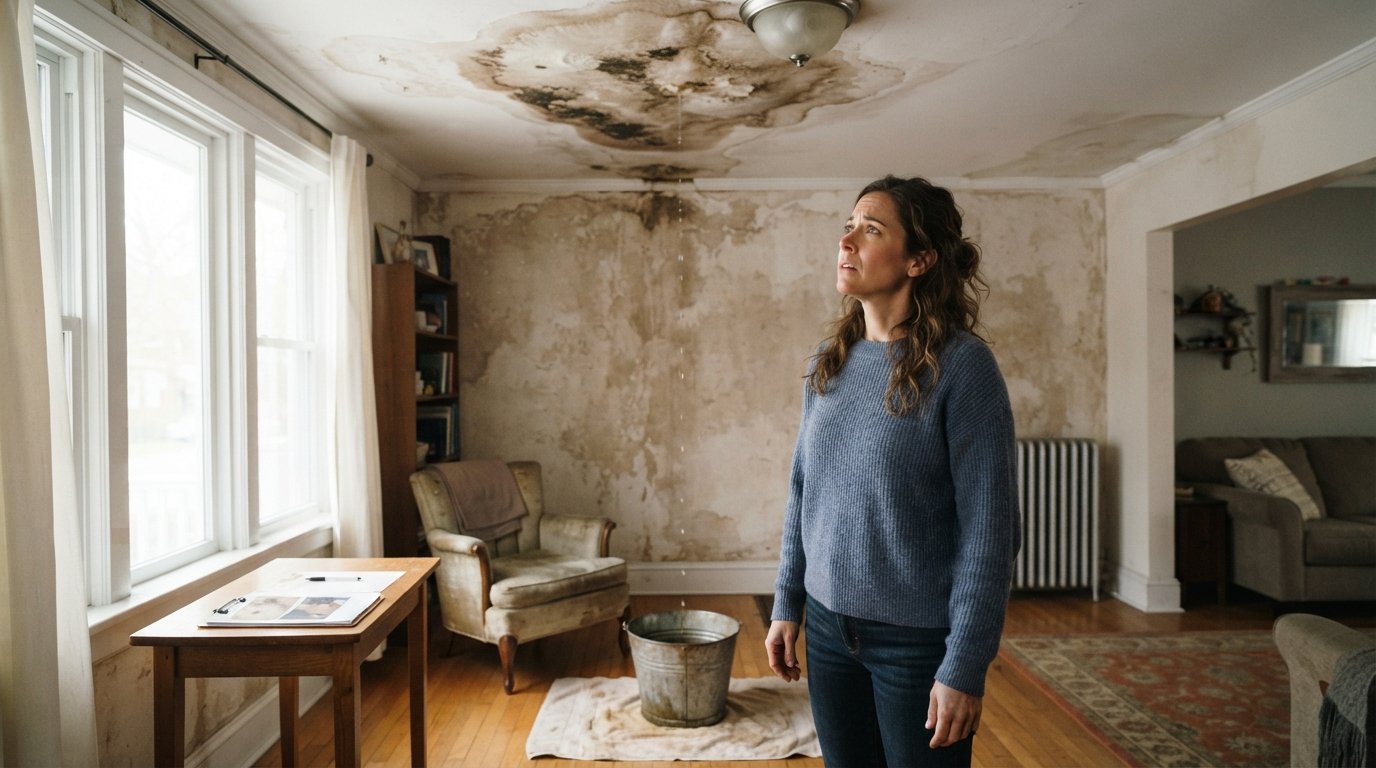
A burst pipe from the condo upstairs soaks your ceiling. A delivery driver backs into your garage door. A neighbor's tree crashes onto your roof during a storm. When damage to your home starts at someone else's property or actions, you face a choice that can feel overwhelming: do you call your own insurer, or do you pursue a claim against the responsible party's homeowners policy? The answer depends on the circumstances, the size of the loss, and how much cooperation you can expect from the other side. Understanding how to file a homeowners claim against someone else's policy can help you recover fully without damaging your own claims history more than necessary.
This guide walks through the decision points, the evidence you need, and the mechanics of liability claims and subrogation. It also explains how liability limits shape what you can actually collect, and when it makes sense to let your own insurer take the lead. Along the way, you will see how the process differs from a standard first-party claim and what to do when the other insurer pushes back.
First, Decide Whether to File With Your Own Insurer or the Responsible Party
The most common mistake homeowners make is assuming they must choose one path exclusively. In reality, many claims involve both your own policy and the other party's liability coverage. The right starting point depends on urgency, the amount of damage, and whether fault is clear. If your home is uninhabitable or the damage is actively worsening, your own insurer is usually the fastest route to repairs and temporary living expenses. If the damage is modest and the responsible party is cooperative, a direct liability claim against their policy may preserve your claims record.
A useful rule of thumb: file with your own insurer when the loss is large, urgent, or fault is disputed. Pursue the other party's policy directly when the damage is limited, the responsible party admits fault, and you are comfortable waiting for their insurer to investigate. Keep in mind that most homeowners policies require you to report a loss promptly, even if you ultimately intend to pursue the other party. Failing to notify your insurer could jeopardize coverage for related damage that appears later.
Before you call anyone, review both policies if you can. Your policy's declarations page shows your deductible and coverage limits. The other party's liability coverage, usually Coverage E or personal liability on a homeowners form, is what pays for damage they caused to others. Typical liability limits start at $100,000 but can be much higher with an umbrella policy. Knowing those limits early tells you whether the other policy can realistically cover your loss.
- File with your own insurer first if the damage is severe, your home is unsafe, or you need emergency repairs.
- Consider a direct liability claim if the damage is small, fault is clear, and the other party is responsive.
- Always notify your own insurer of the loss, even if you plan to pursue the other policy.
- Check the other party's liability limits before assuming their policy can cover everything.
Documentation matters from the very first hour. Take photos and video before you move anything, keep receipts for emergency repairs, and write down the names and contact information of everyone involved. If you have questions about how your own policy handles a loss, our guide on how to file a home insurance claim walks through the first-party process step by step.
Liability Claims: When a Neighbor, Visitor, or Contractor Causes Damage
Liability claims against a homeowners policy usually arise from one of three scenarios: a neighbor's property or actions damage yours, a visitor or guest causes damage while on your property, or a contractor damages your home during work. Each scenario has its own quirks, and the strength of your claim depends on proving negligence, or in some cases, strict liability.
Neighbor disputes are the most common. A tree falls from your neighbor's yard onto your roof, or their pool overflows and floods your basement. In most states, a neighbor is not automatically liable for a tree that falls naturally unless they knew the tree was diseased or hazardous and failed to act. If the tree was healthy and a storm brought it down, the loss is typically yours to handle through your own policy. The same logic applies to runoff and drainage issues: you must show the neighbor's negligence caused the damage, not just that the damage originated on their property.
Visitors and guests are different. If a guest accidentally starts a kitchen fire or leaves a bathtub running, their own homeowners or renters policy may respond. If they have no insurance, your options narrow to small claims court or your own policy. Contractors are a third category: if a contractor damages your home while working, their general liability policy or a bond may cover it. In that case, notify the contractor in writing immediately and request their insurance information. Do not let them talk you out of filing a claim before you have a repair estimate in hand.
Proving liability requires evidence that connects the other party's actions to your damage. Collect the following before you contact their insurer:
- Photos and videos of the damage from multiple angles, taken before any cleanup.
- A written timeline of events, including dates, times, and weather conditions.
- Names, addresses, and phone numbers of witnesses.
- Any correspondence with the responsible party, including texts and emails.
- Professional estimates from licensed contractors for the repair cost.
Once you have that file, contact the responsible party's insurer directly. Ask for the claim number and the adjuster's name and contact information. Submit your evidence package in writing and keep copies of everything. The other insurer may send an adjuster to inspect the damage, and you should be present for that inspection. If they deny the claim, ask for the denial in writing and the specific policy language they relied on.
How Subrogation Works When Your Insurer Takes Up the Fight
Subrogation is the legal process where your insurer pays your claim and then steps into your shoes to recover the money from the responsible party. It is one of the most useful tools available to homeowners because it lets you get your home fixed quickly while your insurer pursues the other side. When you file a first-party claim and your insurer determines another party was at fault, they may pursue subrogation against that party's liability policy.
The process typically unfolds in stages. First, you file a claim with your own insurer and pay your deductible. Your insurer pays the covered portion of your loss, minus the deductible. Then, if subrogation is viable, your insurer contacts the other party's insurer and demands reimbursement. If recovery succeeds, you may receive your deductible back, often months later. If recovery fails, your deductible stays out of pocket, but your insurer absorbs the rest of the loss.
Subrogation does not require your active participation, but it helps to cooperate fully. Provide your insurer with every document you gathered, including the other party's contact information and any admissions of fault. If your insurer asks you to sign a subrogation receipt or provide a statement, do so promptly. Delays can weaken the recovery effort and slow down the return of your deductible.
One important caveat: subrogation only works if the responsible party has liability coverage and the loss exceeds their deductible. If the other party is uninsured or underinsured, your insurer may still pursue them directly, but recovery is often limited. In those cases, your own policy's coverage becomes the primary source of funds. If you want to understand how your own coverage interacts with liability claims, a licensed agent can review your policy and explain the options. InsuranceAdvisers.com offers a broad library of consumer guides and comparison tools that can help you evaluate coverage before the next loss happens; you can explore their resources at InsuranceAdvisers.com.
Evidence Collection and Documentation Best Practices
Whether you pursue the other party directly or let your insurer handle subrogation, your evidence file determines how much you recover. Insurers on both sides look for proof: proof of the loss, proof of the cause, and proof of the amount. Weak documentation is the single most common reason liability claims stall or get denied.
Start with a thorough visual record. Photograph every damaged area from close up and from a distance, and include something for scale. Video walkthroughs are especially useful because they capture context that still photos miss. If the damage is ongoing, such as water intrusion, document it daily until repairs begin. Keep a written log of every phone call, email, and in-person conversation, noting the date, time, and who said what.
Get professional estimates before you accept any settlement. A contractor's written estimate carries more weight than your own guess, and an independent adjuster can provide a second opinion if the other insurer's offer seems low. Keep receipts for emergency mitigation, such as tarps, fans, and water extraction, because those costs are often recoverable. If you had to relocate temporarily, keep hotel and meal receipts as well.
Finally, do not sign a release or accept a settlement check until you are confident the full scope of damage is known. Hidden damage, such as mold behind drywall or a cracked foundation, often appears weeks after the initial loss. A signed release can bar you from claiming those later costs. If the other insurer pressures you to settle quickly, ask for an extension and get your own contractor's assessment first.
How Liability Limits Affect What You Can Recover
Liability limits are the ceiling on what the other party's policy will pay, and they matter more than most homeowners realize. A typical homeowners policy includes $100,000 to $300,000 in personal liability coverage, but damage from a major fire or a fallen tree can easily exceed that. If the responsible party has low limits, you may recover only a fraction of your loss from their policy, even if they were clearly at fault.
When the loss exceeds the other party's liability limit, your options are limited. You can pursue the responsible party personally for the shortfall, but collecting from an individual is often difficult and may require a lawsuit. You can also file with your own insurer, which may cover the difference under your own coverage, subject to your deductible and policy limits. In some cases, an umbrella policy on the other side may provide additional coverage above the homeowners limit, so ask the adjuster whether an umbrella exists.
Understanding these limits before you file helps you set realistic expectations. If the other party's policy maxes out at $100,000 and your repair estimate is $150,000, you know from the start that you may need to involve your own insurer or negotiate a personal settlement for the remainder. Documenting the full loss thoroughly gives you leverage in those negotiations and ensures your own insurer has what it needs if you need to file a supplemental claim.
Filing a homeowners claim against someone else's policy is rarely a single phone call. It is a sequence of decisions: whether to involve your own insurer, how to prove the other party's responsibility, and how to navigate liability limits when the damage is large. Homeowners who document carefully, communicate in writing, and understand both policies recover faster and with fewer surprises. If you are unsure which path fits your situation, start with a conversation with your own insurer, then evaluate the other party's liability coverage with the same scrutiny. The effort you put into the claim file today determines what you collect tomorrow.