
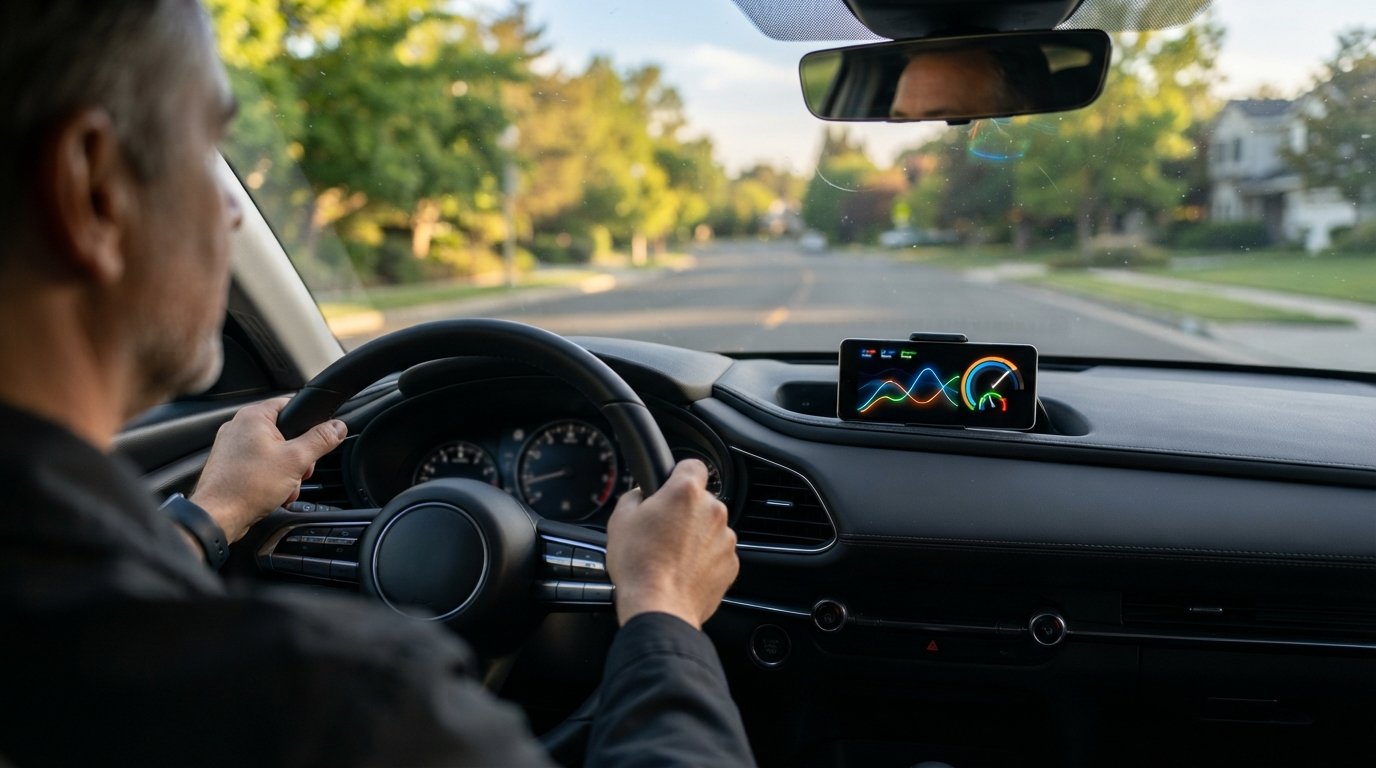
Telematics vs Usage-Based Insurance: How They Differ
Telematics vs usage based insurance how they differ comes down to data versus pricing. Call (833)-214-6397 to compare programs and avoid surprise rate hikes.

By Aria Vellane
Car insurance pricing has quietly moved beyond ZIP codes and credit scores. Telematics and usage-based insurance (UBI) now let insurers watch how you actually drive, then price your policy around that behavior. The two terms get used interchangeably in ads, but they are not the same thing, and the difference matters if you are shopping for a discount. Understanding telematics vs usage based insurance how they differ helps you choose a program that rewards your driving instead of one that quietly raises your rate.
This guide breaks down how each model works, what data gets collected, which drivers tend to save, and the questions to ask before you enroll. Whether you drive 2,000 miles a year or 20,000, the program you pick should match your habits, not the other way around.
The Core Difference Between Telematics and Usage-Based Insurance
Telematics is the technology: the hardware and software that collects driving data. Usage-based insurance is the pricing model that uses that data to set your premium. Think of telematics as the thermometer and UBI as the decision to adjust the thermostat. An insurer can use telematics for many purposes, but only some of those purposes make the policy usage-based.
In practice, most major carriers blur the line. A company might call its program "telematics" while pricing it exactly like UBI. Others offer a telematics app that only coaches safe driving without changing your rate. The label on the marketing page is less important than the contract language that explains what data is collected and how it affects your bill.
There are three broad structures you will encounter:
- Usage-based (pay-per-mile): Your premium is tied mainly to how many miles you drive, sometimes with a small base rate.
- Behavior-based: Your rate depends on how you drive: braking, acceleration, cornering, speeding, and phone handling.
- Hybrid: The insurer combines mileage and behavior scores, often with a participation discount for simply signing up.
Knowing which bucket a program falls into tells you what levers you can pull to lower your rate. If the program is purely mileage-based, driving less is your main tool. If it is behavior-based, smoothing out your braking and acceleration matters more than cutting trips.
Smartphone Apps vs Plug-In Devices: What Each One Tracks
The delivery method shapes the data. A smartphone app relies on the phone's GPS, accelerometer, and gyroscope, which means it can track location, speed, cornering forces, and whether the phone is being handled while the car moves. A plug-in device connects to the OBD-II port under the dashboard and pulls directly from the vehicle's computer, capturing mileage, engine data, and sometimes diagnostic codes.
Apps are cheaper for insurers to deploy, so they dominate new programs. They are also easier for you to install, but they come with tradeoffs. Phone-based tracking can confuse a passenger's phone with the driver's, and battery drain is a common complaint. Some apps require Bluetooth pairing with your car or manual trip confirmation to avoid misattributed drives.
Plug-in devices are more accurate for mileage and vehicle data, but they require installation and a physical port. Older cars may not have a compatible port, and some drivers dislike having a device in the car. A few programs use a hybrid approach: a small device for mileage plus an app for behavior scoring.
Here is a quick comparison of what each method typically captures:
- Smartphone app: GPS location, speed, hard braking and acceleration, cornering, phone handling, trip start and end times.
- Plug-in device: Odometer-based mileage, engine hours, diagnostic trouble codes, and sometimes fuel data.
- Hybrid: Mileage from the device plus behavior scores from the app.
The accuracy gap matters at claim time and at renewal. If your app logs a phantom trip while you were a passenger, your mileage score could suffer. If your plug-in device reads mileage directly from the car, disputes are less likely.
How Discounts and Savings Are Calculated
Insurers rarely advertise a single discount percentage because the math is program-specific. Most structures fall into a few patterns. Participation discounts reward you for signing up and completing a monitoring period, regardless of your driving. Behavior discounts adjust your rate at renewal based on a driving score. Mileage-based programs charge a per-mile rate after a base fee.
A typical behavior-based program might offer a 10 percent sign-up discount, then adjust your renewal by up to 30 percent up or down based on your score. A pay-per-mile program might charge a base rate of $30 to $50 per month plus 3 to 10 cents per mile, with low-mileage drivers saving the most. These figures vary widely by state, carrier, and driver profile, so treat them as illustrations rather than quotes.
Savings also depend on how long you stay enrolled. Many programs require a full policy term before the behavior adjustment applies. If you switch carriers mid-term, you may forfeit the discount. Read the enrollment terms to see when the score starts affecting your rate and whether you can opt out without penalty.
One more factor: telematics discounts usually apply to the vehicle, not the driver. In a multi-car household, only the enrolled vehicle earns the discount. If you share a car, the program may score every driver on the policy, which can drag down a careful driver's score if a household member is aggressive behind the wheel.
Privacy Tradeoffs and Data Sharing
Every telematics program collects data about where and how you drive. That data can include location history, speed, time of day, and phone use. Insurers say they use it for pricing and claims, but privacy advocates point out that the same data could be subpoenaed in litigation or shared with affiliates. The details live in the program's terms and privacy policy, which few drivers read.
Before enrolling, look for answers to these questions: Is location data stored continuously or only during trips? How long is it retained? Is it shared with third parties, and can you delete it? Can you pause tracking for private trips? Some programs offer a privacy mode, but others do not.
There is also a regulatory patchwork. Some states have rules about how telematics data can be used, and a few require opt-in consent. If privacy is a priority, ask the insurer for its data retention policy in writing before you install anything. The convenience of a discount is not worth surrendering more data than you intended.
Who Benefits and Who May See Rates Rise
Telematics and UBI programs are not for everyone. The drivers who tend to save are those whose habits align with the program's scoring model. Low-mileage drivers, careful commuters, and households with multiple safe drivers usually come out ahead. Drivers who rarely drive at night or in heavy traffic also tend to score well.
Drivers who may see rates rise include those with long commutes, frequent hard braking, late-night driving, or phone handling behind the wheel. If you are a high-mileage driver with a lead foot, a behavior-based program could cost you more than a traditional policy. That is not a reason to avoid telematics entirely, but it is a reason to read the scoring rubric before you enroll.
New drivers and teens are a special case. Some programs are designed for young drivers and can produce meaningful savings for families, but the same programs can also expose risky habits. Parents should review the score reports with the teen rather than treating the discount as automatic.
If you are comparing coverage options alongside telematics programs, it helps to see how traditional policies stack up. Our guide on employer health insurance vs marketplace plans explains a similar comparison logic for health coverage, and the same principle applies here: match the program to your actual behavior, not the marketing pitch.
Questions to Ask Before Enrolling
The enrollment page is designed to make sign-up easy, not to surface the fine print. Slow down and ask direct questions. A few minutes of diligence can prevent a surprise rate increase at renewal.
- What data is collected, and is location tracked continuously or only during trips?
- How is the discount calculated, and when does it affect my rate?
- Can my rate go up, and by how much?
- Can I pause or opt out without losing my discount?
- How long is my data retained, and who can access it?
Get the answers in writing, ideally in the enrollment terms or a follow-up email. If a customer service representative cannot answer, ask for the program's disclosure document. A legitimate program will have one.
It also helps to compare quotes from multiple carriers before you commit. A telematics discount from one insurer may still leave you paying more than a traditional policy from another. Shopping the base rate first, then layering the discount, keeps the comparison honest. Resources like QuoteComparison can help you see how carriers stack up before you enroll in a monitoring program.
Mileage, Behavior, and the Future of Driving Data
Insurers are investing heavily in telematics because it gives them something traditional models lack: real-time risk data. That trend is unlikely to reverse. As more vehicles come connected from the factory, the plug-in device may fade in favor of built-in data feeds. That shift raises new questions about consent, because a car's built-in modem can transmit data whether or not you enrolled in a program.
For now, the practical advice is the same. Understand what the program measures, how it prices your behavior, and what happens if your score drops. Telematics vs usage based insurance how they differ comes down to technology versus pricing model, but the consumer decision is simpler: choose a program that rewards the way you actually drive.
If you are ready to compare options, gather quotes from several carriers, ask the five questions above, and run the math on your annual mileage. The right program should feel like a discount for habits you already have, not a penalty for habits you cannot change.